MM logo white 1
MM logo red
Image description is not available

OLED or QLED: what are the differences and what suits you best?

Femke20 AUGUST 2025
Living room with a TV above a console, a blue armchair, and a plant near a window.

During your search for a new TV, sooner or later you will come across the terms OLED and QLED. These are both techniques that ensure that images appear on a television. The way in which this is done exactly differs greatly between an OLED TV and a QLED TV. In this article, you can read all about those differences and discover the pros and cons of both OLED and QLED.

What is the difference between OLED and QLED?

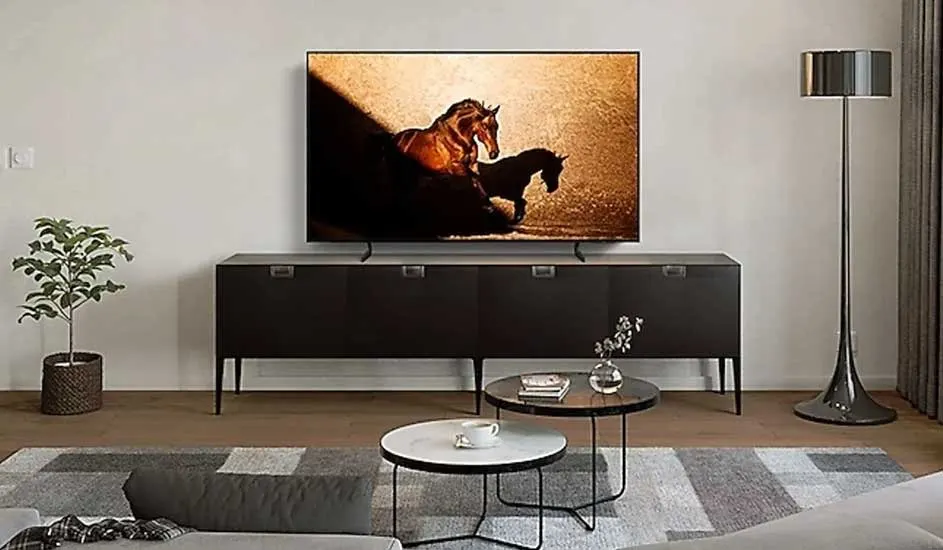
A Samsung TV on a sleek black cabinet displays running horses; modern tables, a floor lamp, a plant and a grey rug complete the living room. Brand: Samsung.

The biggest difference between OLED and QLED is in how the image is made. OLED TVs have millions of pixels that all light up independently of each other. This ensures, for example, that the colour black on an OLED TV is really black. With QLED TVs, backlighting is the main source of light. It goes through a layer with so-called quantum dots. These are nanocrystals that fall between the light source and the pixels of a QLED TV. This ensures that even the brightest colours pop off the screen of your television razor-sharp and intense. The difference in technology of OLED and QLED also affects the viewing angle of a TV and the extent to which you are bothered by reflections from ambient light. Read on and learn more about OLED and QLED TVs and find out which technology best suits your (viewing) situation.

Things to keep in mind when choosing a new TV

What is OLED?

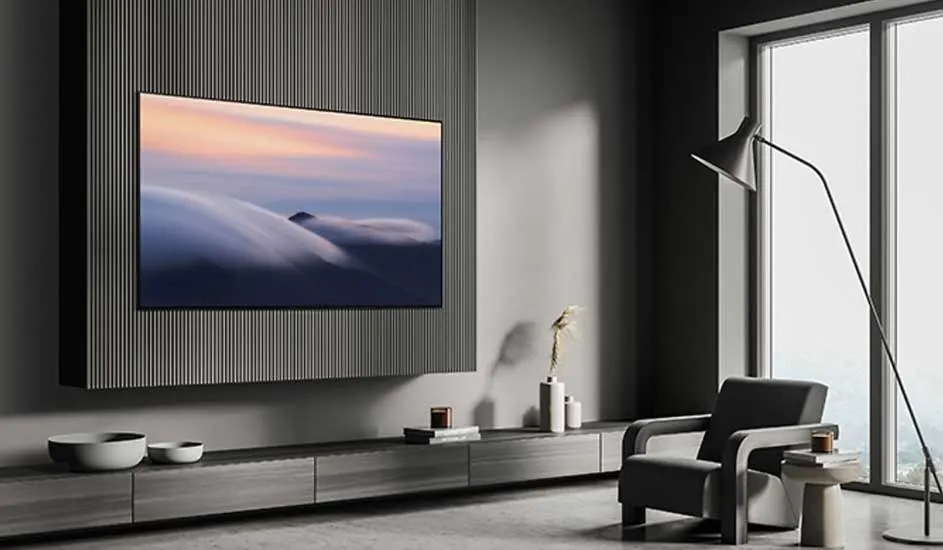
A sleek LG TV is mounted on a modern grey wall, above a minimalist cabinet with decor; a large window and designer lamp complete the stylish room. Brand: LG.

OLED stands for organic light-emitting diode. With this technology, each pixel emits its own light. If a pixel is off, then it is completely black. You don't need a backlight like you do with traditional LCD televisions. LG OLED TVs were the first devices to use this technology, but now other brands of TVs also sell OLED technology. For example, many Sony devices have the technology, and you will also find more Samsung OLED TVs.

More about OLED-tv’s
A Samsung TV displays a vivid cityscape at night, showing bright lights and sharp contrasts, highlighting the screen’s impressive picture quality. Brand: Samsung.

What are the advantages of OLED?

A major advantage of OLED is the sharp and intense contrast between dark and light colours on the screen. This is due to the pixels that turn on and off independently of each other, so that the colour black is truly black. The colours splash off the screen very realistically. An additional advantage of the individually illuminated pixels is that they do not consume power when they are black. This makes an OLED TV a lot more energy-efficient than, for example, LED televisions. Another plus of OLED technology is the wide viewing angle. Even if you sit all the way in front of the TV, you get all the scenes of your favourite series well. Finally, every OLED TV has HDR support, so you can enjoy the most beautiful colours on your screen.

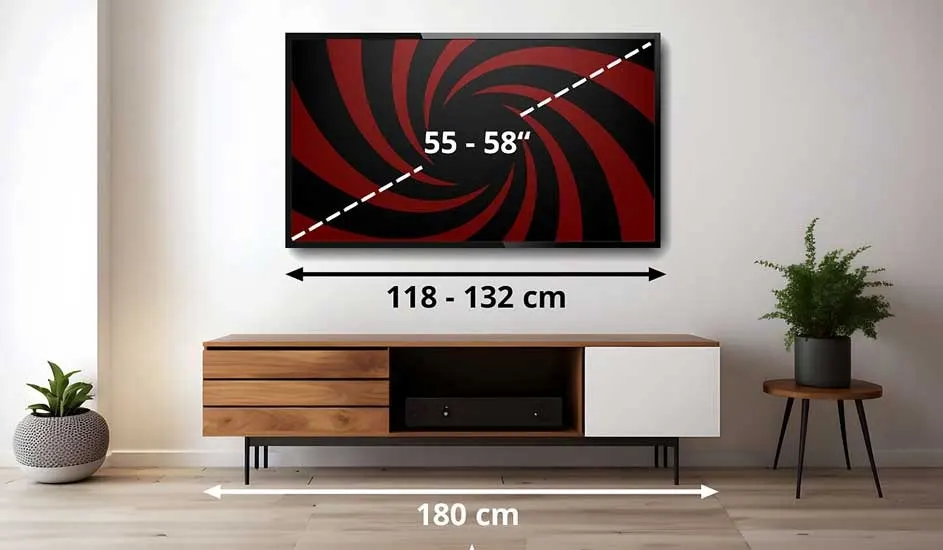
A flat screen TV sized 55–58 inches is mounted above a modern wooden TV stand; measurements show ideal width for fitting in a stylish living room. No brand shown.

What are the disadvantages of OLED?

A disadvantage of OLED TVs is the relatively low brightness. Especially in a room where a lot of sunlight enters or where there are many lamps, you don't always get the most out of the colour options of an OLED TV. You are also more likely to be bothered by reflections than, for example, on a QLED TV. Another disadvantage is that OLED technology is only on medium-sized TVs and large TVs. The smallest OLED TV, for example, has a screen diagonal of 42 inches. If you are looking for a smaller TV, for example for the bedroom, then a QLED TV is a better option.

Things to look for when buying a bedroom TV

What is QLED?

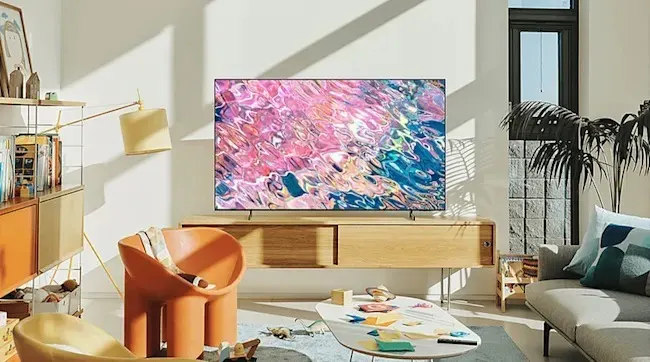
A Samsung TV displays colourful abstract art in a bright, modern living room with stylish furniture, plants and plenty of natural light. Brand: Samsung.

QLED stands for quantum dot light-emitting diode. This technology uses a layer of quantum dots (small nanoparticles) that sits in front of the LCD layer. An LED backlight shines through those quantum dots, which then convert the light into crystal clear colours. Samsung is seen as the founder of QLED, although some QLED TVs from other well-known brands are now also among the best televisions of the moment.

More about QLED-tv’s
A Samsung TV displays a vivid ocean scene in a modern living room with sheer curtains, a black sideboard, a floor lamp and a cosy seating area. Brand: Samsung.

What are the benefits of QLED?

QLED technology ensures a higher brightness of your screen than OLED. So you enjoy intense and realistic colours. It also means that you can still see all the images effortlessly in brightly lit rooms, without irritating reflections from the sun or lamps. QLED TVs are also known for their long lifespan.

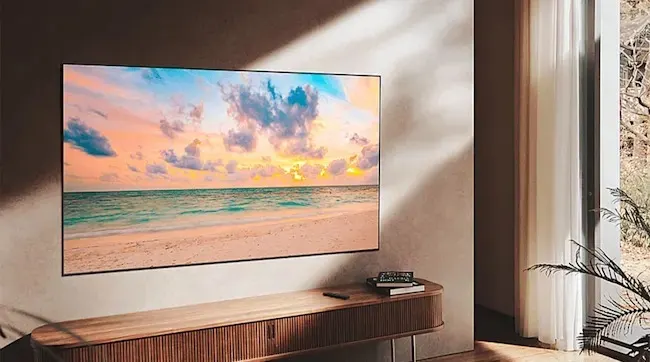
A Samsung TV displays a vivid beach sunset above a wooden cabinet in a bright, modern living room with natural light and elegant decor. Brand: Samsung.

What are the disadvantages of QLED?

A disadvantage of QLED TVs is that you see the screen a lot less well if you sit a little diagonally in front of it. So, you must take this into account when arranging your chairs and sofas in the living room. For lovers of good contrast – the difference between the lightest and darkest part on the screen – black on a QLED TV is not really deep black. This as opposed to an OLED TV. The better the contrast, the more realistic the images. Especially for film lovers, a good contrast is an important consideration.

Developments of OLED and QLED

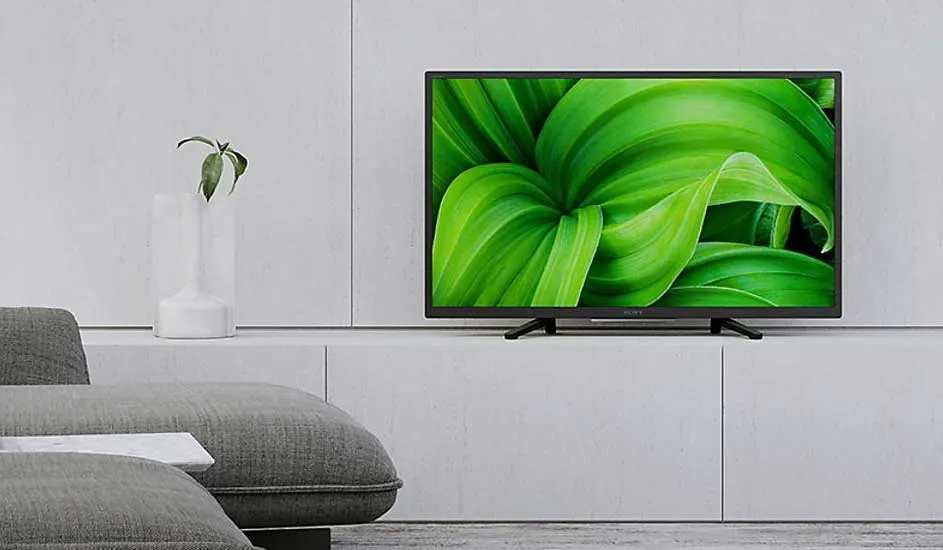
A Sony TV displays a vivid green leaf close-up in a minimalist living room with grey furniture and a white vase, creating a calm, modern atmosphere. Brand: Sony.

OLED and QLED technology are developing at lightning speed. The well-known brands are doing everything they can to produce a TV that combines the advantages of OLED and QLED. One of the best examples of this is QD-OLED TVs. These are OLED TVs that also use the quantum dot technology as we know it from QLED TVs. On these televisions, black is really black and you won't be bothered by reflections. This beautiful combination of high contrast with high brightness can be found, for example, on Sony Bravia devices and on Samsung QD-OLED TVs.

Compare OLED vs. QLED

Property nameOLEDQLED
Technique

Individually illuminating pixels

Quantum dots

Black levels

Deep black

Not completely black

Suffering from reflections?

Yes

No

Viewing angle

Excellent

Good

Energy consumption

Lower in dark images

Lower with brighter images

Available sizes

From 42 inches

From 32 inches

Best suited for/in

Movie lovers

Brightly lit rooms

Our advice on OLED and QLED

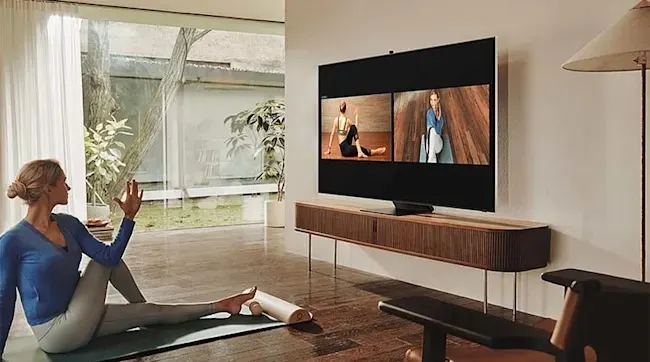
A Samsung TV in a bright living room displays a fitness video; a woman sits on a yoga mat with a roller, surrounded by modern decor and natural light. Brand: Samsung.

When buying a new TV, you pay attention to a few aspects. For example, you can check whether a TV has 4K resolution or you're curious about the number of hertz of the device you're looking at. Also, sooner or later you will probably be faced with the choice between OLED and QLED. OLED TVs excel in contrast and lifelike images. QLED TVs are known for their extremely high brightness. Film lovers are generally more fans of OLED, while people with brightly lit rooms in their homes are probably better off with QLED. The technology surrounding OLED and QLED is developing at lightning speed. More models are appearing that combine the best of both worlds.

What is a smart TV anyway?

Frequently asked questions about OLED and QLED

These articles may also be interesting for you