
HDR uses a wider colour palette and deeper contrasts than SDR (Standard Dynamic Range). This means whites appear brighter, blacks look deeper, and colours are more vibrant. As a result, you can see details in both dark shadows and bright highlights.


HDR (High Dynamic Range) is a television technology that delivers stronger contrast, richer colours, brighter images and more realistic details. As a result, movies look so true to life it feels as though you’re at the cinema. Below, you can read how HDR works and what types there are.
HDR uses a wider colour palette and deeper contrasts than SDR (Standard Dynamic Range). This means whites appear brighter, blacks look deeper, and colours are more vibrant. As a result, you can see details in both dark shadows and bright highlights.

The different HDR formats are: HDR10, HDR10+, Dolby Vision and HLG. It’s important to understand the differences, because the HDR format needs to match the source of the content. So, when buying a television with HDR, pay close attention to the type of content you mainly watch (such as movies, sports events or live broadcasts) and check which HDR format is best suited to your needs.
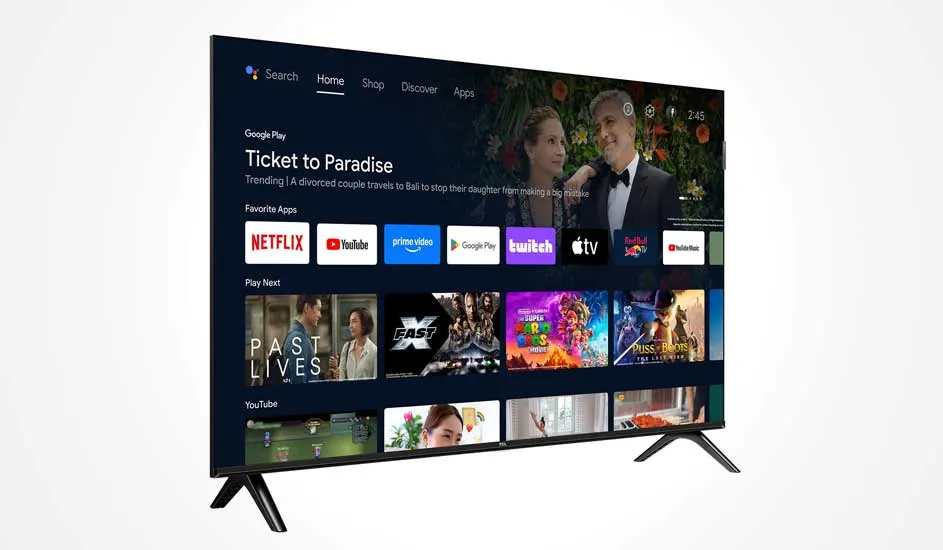
HDR10 is the standard form of HDR, supported by almost all televisions. It displays images with greater brightness and colour than usual, but it applies a single fixed setting to an entire movie or series. This can sometimes make certain scenes look less impressive, appearing either too dark or overly bright. HDR10+ is an improved version that adjusts the picture scene by scene – or even frame by frame. This preserves more detail in both dark and bright areas, resulting in a more natural image.
HDR10 is supported by sources such as Blu-ray, Netflix, iTunes and Amazon Prime Video. It’s also compatible with games consoles like Xbox, PS4 and PS5. HDR10+, on the other hand, is mainly supported by newer TVs and works with platforms such as Apple TV, Netflix and YouTube.

Dolby Vision is a more advanced form of HDR that, like HDR10+, uses dynamic metadata, but takes it a step further. It can adjust brightness and colours per scene or even per frame, supports up to 12-bit colour for richer tones, and offers higher brightness levels than HDR10+. As a result, images often look even more vibrant and lifelike, with extra detail in both dark and bright scenes.
The drawback is that you need content that supports Dolby Vision. This is usually the case with streaming services such as Netflix and Disney+. Every Dolby Vision TV can still display HDR10 content, but televisions with Dolby Vision tend to be on the more expensive side.

HLG (Hybrid Log Gamma) is a form of HDR mainly designed for live TV broadcasts and sports. Unlike HDR10 or Dolby Vision, it doesn’t rely on additional metadata: instead, it creates a video signal that contains both HDR and SDR. This way, the picture automatically adapts to the TV screen, allowing you to see bright and dark details more clearly.
| Property name | What it does | Key advantage | Typically used for |
|---|---|---|---|
| HDR10 | Standard HDR with a single setting for the whole movie/series | Works on almost any TV | Movies, series, Blu-ray, streaming |
| HDR10+ | Adjusts the picture scene by scene or frame by frame | More detail and a more natural image | Newer TVs, streaming, movies |
| Dolby Vision | Dynamic HDR with deeper colours and higher brightness | Extremely lifelike image with more detail | Higher-end TVs, streaming services like Disney+ and Netflix |
| HLG | HDR for live broadcasts without extra metadata | Works instantly with live TV and sports | Live TV, sports broadcasts, YouTube |

High Dynamic Range is especially valuable for content where picture quality, colour and contrast make a big difference, such as:
In short, HDR makes any content where colour and light play a key role look far more impressive – from movies to games. You can then decide which format best suits your needs.

Most modern smart TVs support HDR. You’ll find HDR mainly on LED, QLED, OLED and Neo QLED TVs. The most popular brands offering HDR include:
When choosing an HDR TV, it’s important to check which HDR formats it supports, especially if you watch specific types of content that look better with certain formats. Other factors such as picture quality, sound quality and additional features will also play a role in your decision.

HDR delivers brighter colours, deeper contrast and more detail compared with SDR. There are different HDR formats: HDR10, HDR10+, Dolby Vision and HLG, each with its own advantages. When choosing a TV with HDR, it’s important to consider the type of content you watch most often (movies, games or live broadcasts). Popular TV brands such as Samsung, LG, Sony, TCL, Panasonic, PEAQ and Hisense support a variety of HDR formats.