MM logo white 1
MM logo red
Image description is not available

What is an RGB TV?

Femke14 APRIL 2026
A modern living room with a large television mounted on the wall displaying vibrant blue and red graphics. Minimalist design featuring a wooden table, flower vases and natural light from windows.

Discover the latest RGB TV technologies and which type suits you. On this page, you can read a brief explanation of what RGB, Micro RGB, and RGB Mini LED are, why they provide a much brighter and more colourful image, and the benefits this offers when watching movies, sports, and playing games.

What is RGB and how does this work in a TV?

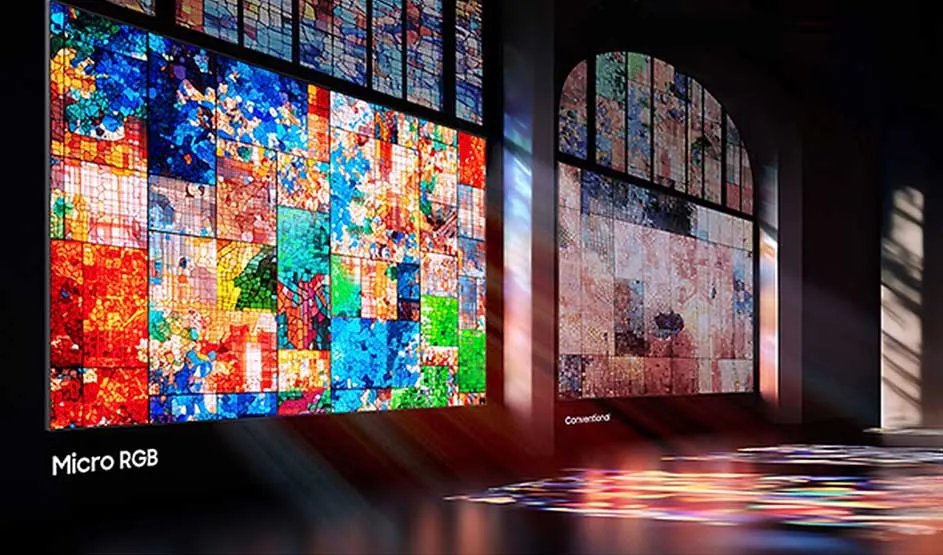
A futuristic display room showcases two large screens featuring vibrant Micro RGB technology. On the left, a colourful mosaic pattern in red, blue, yellow and green. Modern technology demonstration space.

RGB stands for Red, Green, and Blue. These are the 3 basic colours with which TVs form all other colours on the screen. In modern RGB TVs, the pixels or the backlight produce these 3 colours directly. As a result, they deliver higher brightness, a larger colour volume, and a much more realistic image.

In short:

  • Micro RGB: extra-small RGB LEDs provide even more contrast and highly refined colour reproduction.
  • RGB Mini LED: compact RGB Mini LEDs efficiently deliver high brightness and intense colours, ideal for sports, HDR, and games.
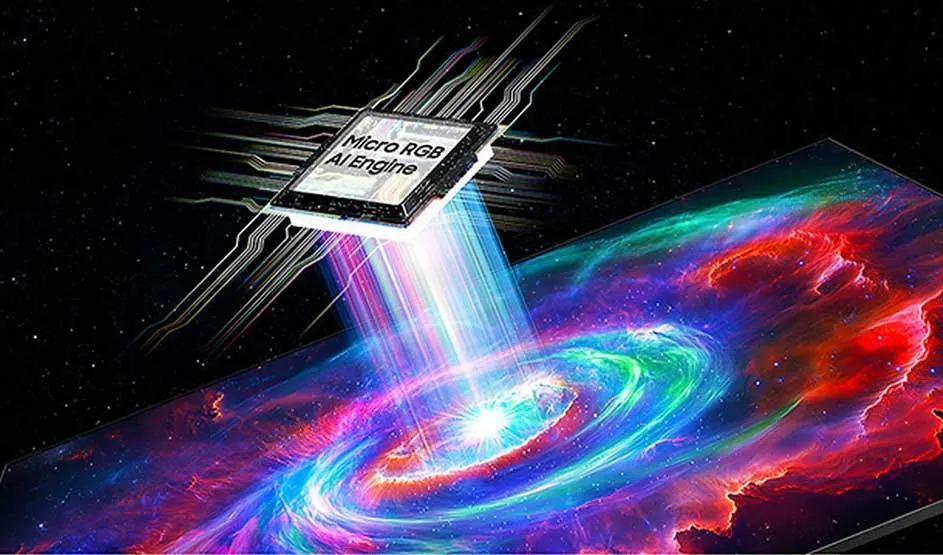
Which RGB TVs exist?

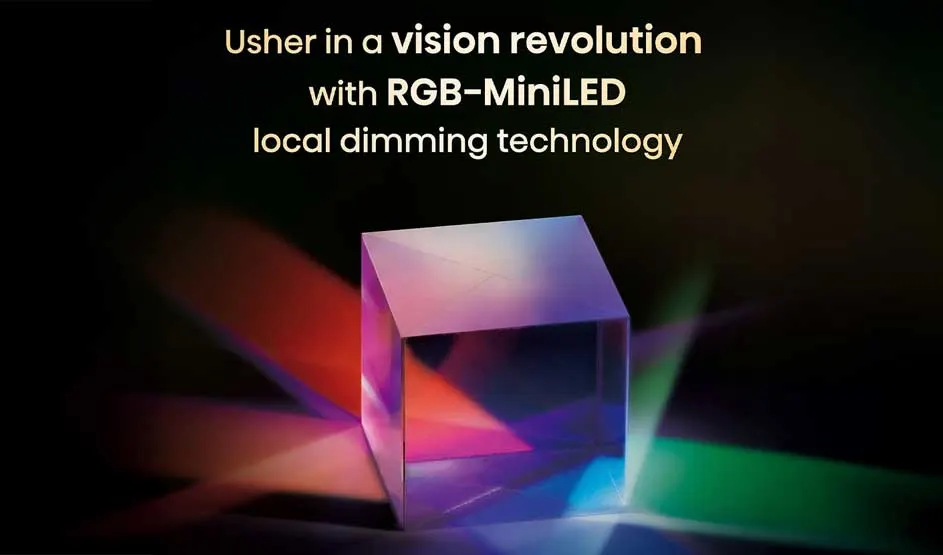
A Micro RGB Engine chip transmits colourful light streams to a cosmic, swirling display. Vibrant colours: blue, green, red, purple against black background. Advanced display technology visualisation concept.

Micro RGB

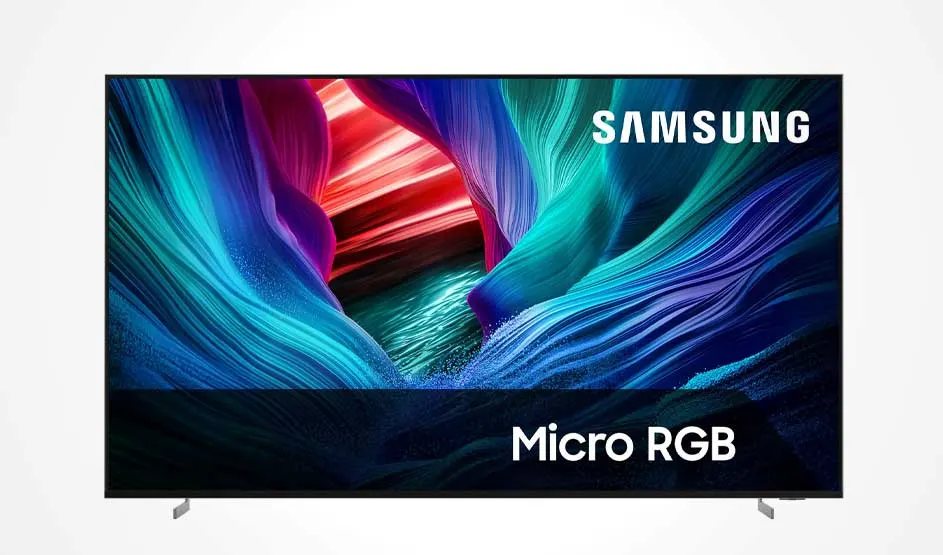
Micro RGB is an improved and more powerful version of Mini LED local dimming, offering higher brightness and more realistic colours. This new screen technology from 2026 closely resembles RGB Mini LED, as both televisions use a similar lighting technique with red, green, and blue light. The difference lies in the size of the LEDs: with Micro RGB, they are even smaller, resulting in a more contrasty image. This allows you to see differences between colour shades better and reduces the appearance of a grey glow around bright light sources.

A Samsung television displays Micro RGB technology with spectacular abstract imagery. Vibrant cyan, purple and red neon lights form dynamic wavy patterns. Premium display quality demonstration showcase.

Key features:

  • Improved Mini LED local dimming with higher brightness and more realistic colours.
  • Uses red, green, and blue LEDs as backlighting, just like RGB Mini LED.
  • Even smaller LEDs provide extra contrast, more visible colour differences, and less grey glow around bright light sources.

Read all about Micro RGB TVs here
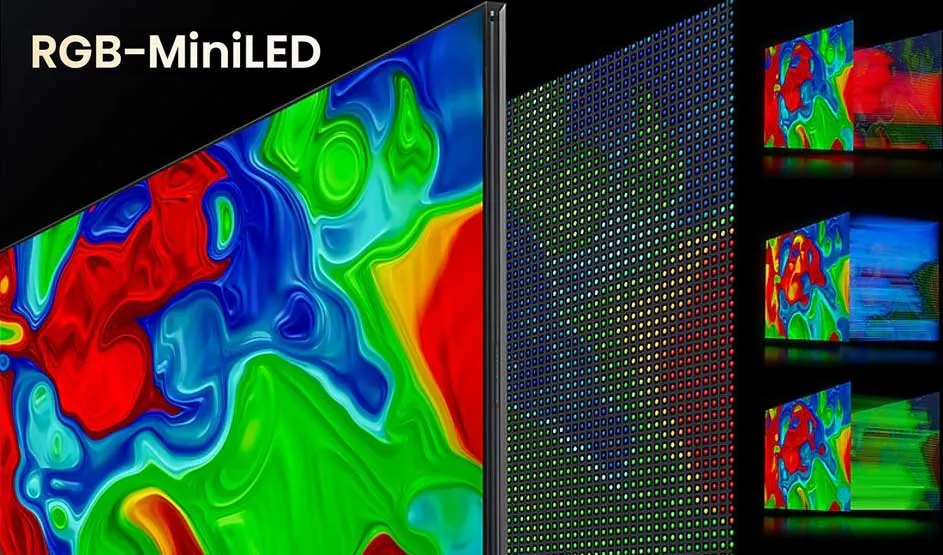
An RGB-MiniLED display presents vibrant thermal visualisation in red, green, blue and yellow. Large left screen shows abstract wavy patterns. Right side features smaller monitors. Cutting-edge technology demonstration.

RGB Mini LED

RGB Mini LED is the latest development in Mini LED technology. Instead of white or blue LEDs, as used in a conventional Mini LED TV, RGB Mini LED uses separate red, green and blue Mini LEDs as backlighting. In a standard Mini LED TV, colours are created via a filter layer in the screen, whereas RGB Mini LED produces the colours directly with the LEDs themselves. As a result, the TV loses less light and uses its brightness and colour reproduction much more efficiently. The result: higher colour volume and higher peak brightness. You can clearly see the difference, especially with sports, HDR content and gaming. Colours become more intense, bright details are more visible and the picture looks extra dynamic.

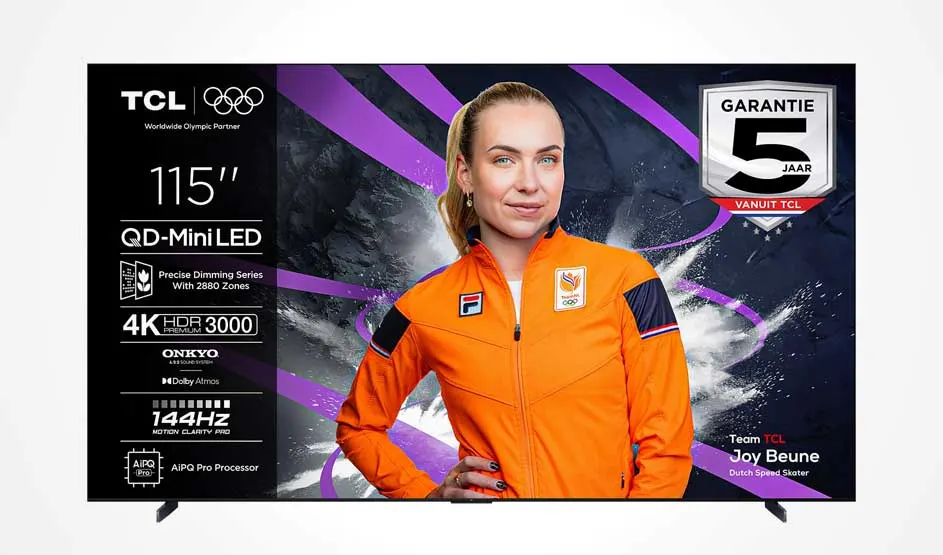
A TCL 115" QD-MiniLED television displays a female speed skater in orange Olympic kit. Specs: 4K HDR 3000, 144Hz, 2880 dimming zones. 5-year warranty. Worldwide Olympic Games Partner.

Key features:

  • Direct colour reproduction with red, green and blue Mini LEDs, with reduced light loss.
  • More efficient brightness and colour, with higher colour volume and peak brightness.
  • Extra intense colours and a more dynamic picture for sports, HDR and gaming.

Read all about RGB Mini LED TVs here

Micro RGB and RGB Mini LED compared

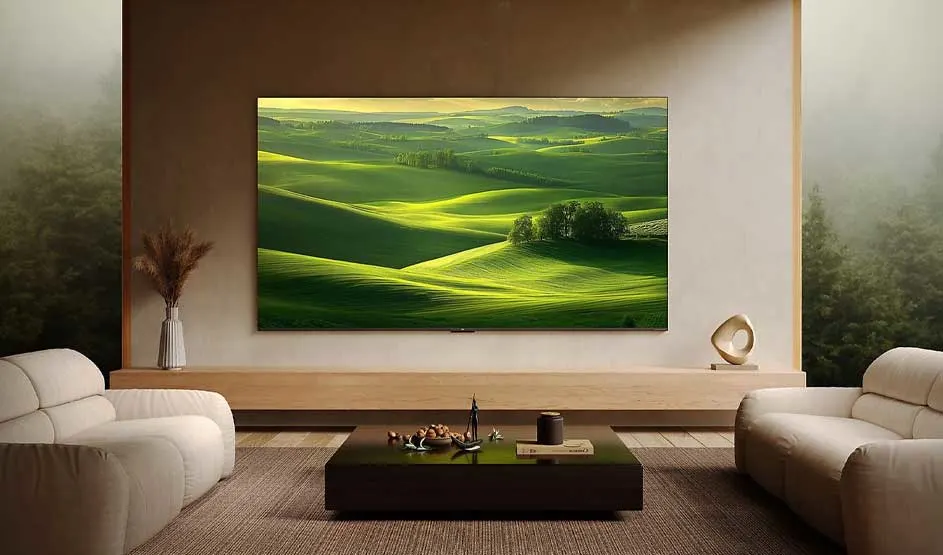
A modern living room with a large wall-mounted television displays a green landscape photograph. Two cream armchairs, black table, beige décor. Minimalist interior design with natural, serene atmosphere and architectural framing.

Micro RGB and RGB Mini LED are both new TV technologies that use RGB LEDs instead of white or blue LEDs. The main difference lies in the LED size: Micro RGB uses even smaller LEDs than RGB Mini LED. As a result, Micro RGB delivers even deeper contrast, higher brightness and more refined colour reproduction. This also means that Micro RGB TVs are on average more expensive than RGB Mini LED models. Both televisions offer a powerful viewing experience for anyone who enjoys films and modern games.

Which brands offer RGB TVs?

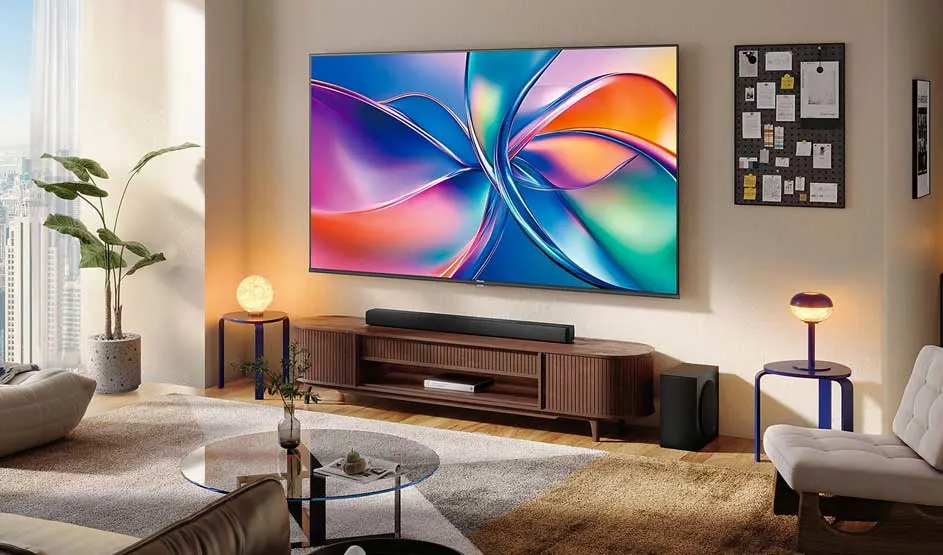
A luxury living room with a large wall-mounted television displays colourful abstract artwork in purple, blue, orange and green. Wooden furniture, warm lighting, potted plant, armchairs. Modern, elegant design with city views.

RGB TVs are becoming more and more popular, and the major TV manufacturers are responding strongly to this trend. For example, the very first Micro RGB TV is a Samsung TV, and you can find variants of RGB Mini LED TVs among LG, Hisense and TCL televisions.

Our advice on RGB TVs

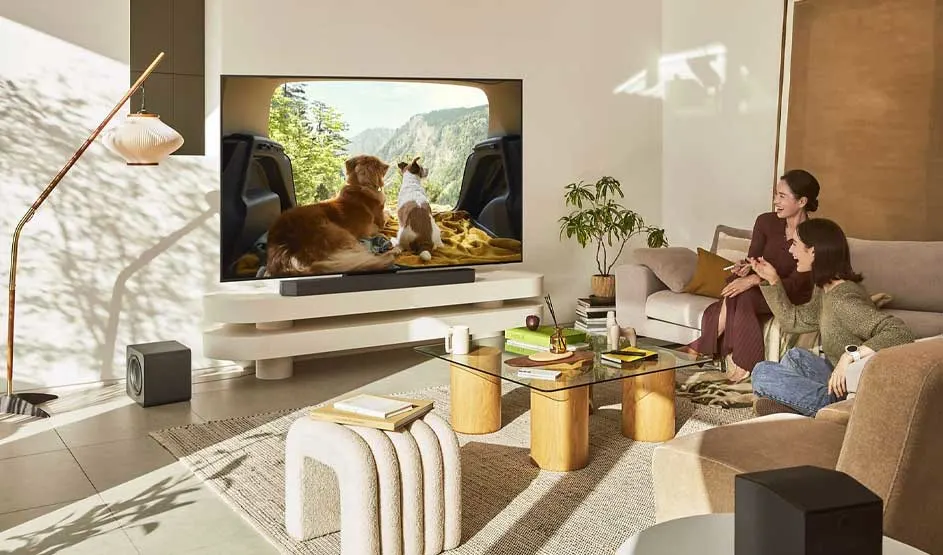
A modern living room where two women watch a large screen displaying dogs in a mountain landscape. Wooden side tables, cream armchairs, potted plant, natural lighting. Cosy, warm home atmosphere with integrated technology.

Debating between which type of TV fits you best?

  • Choose RGB Mini LED if you mainly watch sport, game a lot or love HDR films and want an extremely bright, vibrant picture at a competitive price.
  • Choose Micro RGB if you want the very best contrast, the most refined colour reproduction and as few haloes (grey rings) around bright objects as possible – ideal for film enthusiasts.

View similar articles