MM logo white 1
MM logo red
Image description is not available

Which vacuum cleaner should you choose if you suffer from allergies?

Thijs29 OCTOBER 2025
A person vacuums a soft carpet with a modern vacuum cleaner; only the legs are visible and the floor looks fresh and neat.

Do you suffer from dust mites, pollen, or pet hair allergies? Then you need a powerful vacuum cleaner that effectively traps fine dust particles and hair while keeping the air in your home cleaner. On this page, you’ll find what to look out for when choosing a vacuum cleaner for allergies, which features and accessories make a difference, and which types of allergies a good vacuum can help reduce.

What to look for in a vacuum cleaner for allergies?

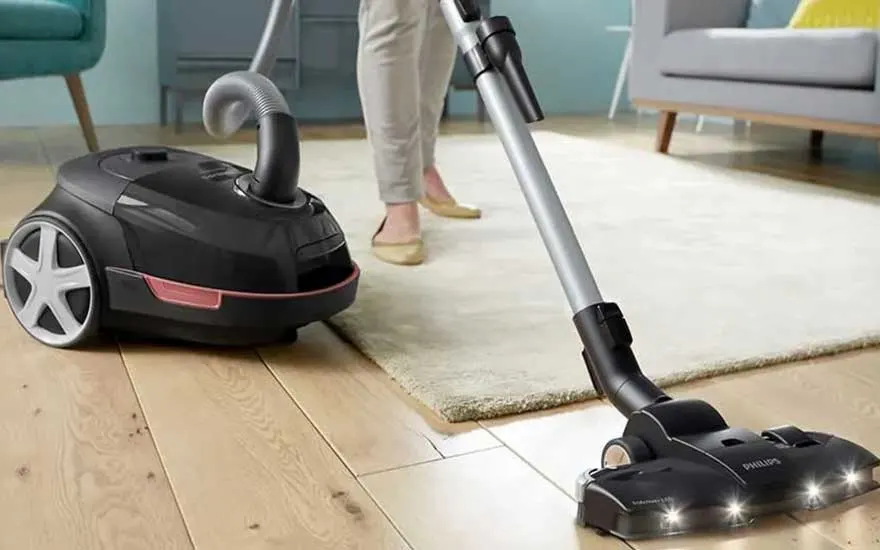
A black vacuum cleaner with large wheels cleans a wooden floor, LED lights offer better visibility while cleaning.

If you suffer from allergies, it’s important that your vacuum not only picks up visible dirt but also effectively traps fine dust particles and allergens such as dust mites, pollen, and pet hair. A good anti-allergy vacuum prevents these particles from being released back into the air. Pay attention to the filter, air circulation and sealing, dust collection system, and the right attachments. Always choose a vacuum with enough suction power for your floor types to ensure a thorough clean in one go.
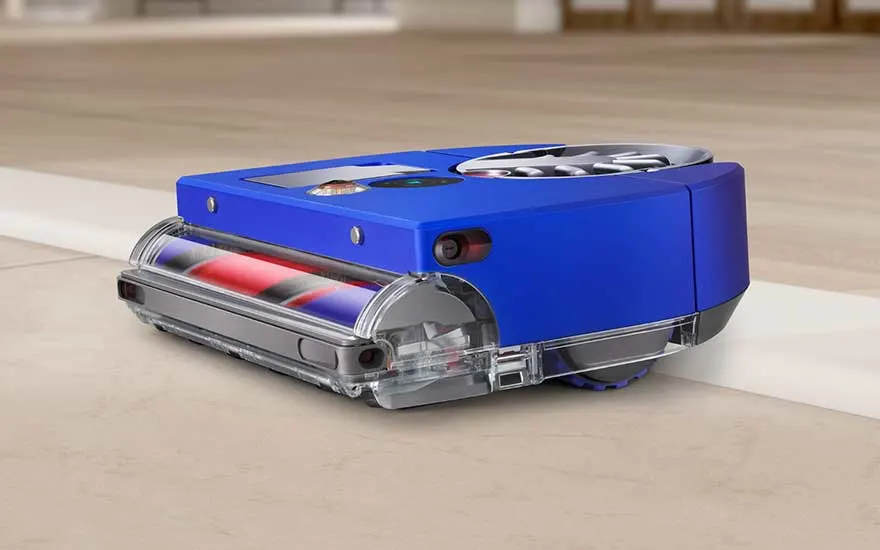
A blue robotic vacuum cleans precisely along the edge of a hard floor, ideal for automatic cleaning.

If you don’t always have time to vacuum but still want your home and air to stay clean, consider a robot vacuum. A robot vacuum does the work for you, making it easier to clean more frequently and reduce dust without taking up your time and effort. Even robot vacuums can be equipped with specific filters for allergy control.

View the best vacuum cleaners
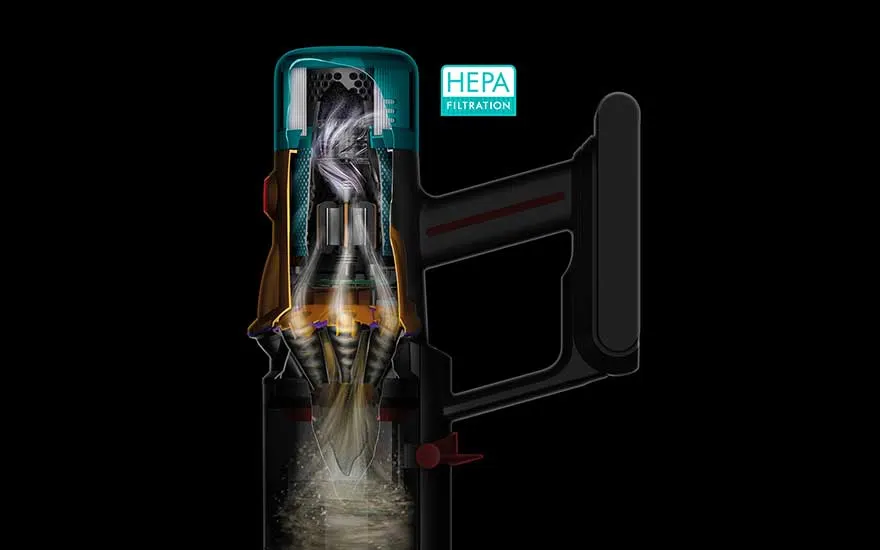
Cross-section of a cordless vacuum displays airflow and HEPA filtration, promising optimal air purification.

Choose a HEPA or anti-allergy filter

A vacuum cleaner with a HEPA (High Efficiency Particulate Air) or specially designed anti-allergy filter is essential if you suffer from allergies. These filters capture up to 99.95% of tiny particles, such as pollen, dust mites, and pet hair. HEPA 13 or 14 filters are especially suitable for allergy sufferers, as they remove even the smallest allergens from the air. For optimal performance, replace the filter every 6 to 12 months.

How to choose the right vacuum cleaner filters
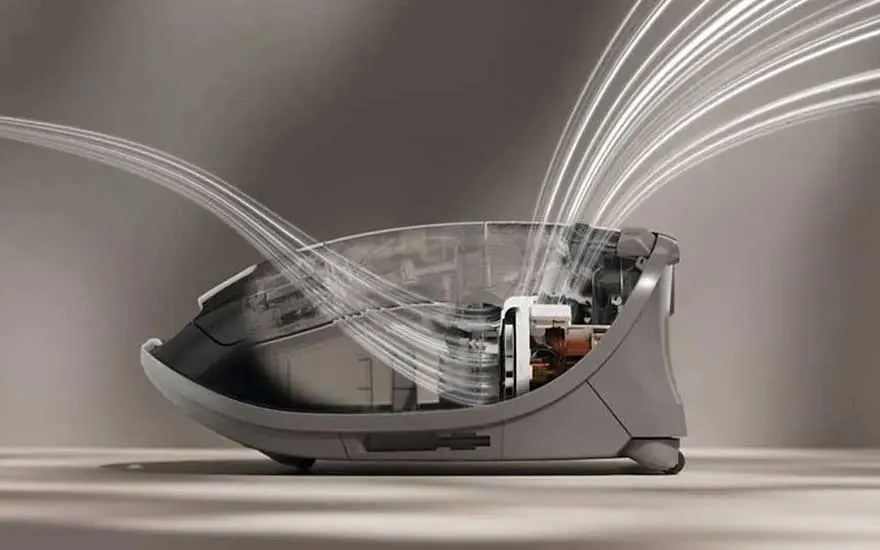
A cutaway view of a vacuum demonstrates airflow and filtration, illustrating innovative design for optimal performance.

Air circulation and sealing

It’s not just the filter that matters – the sealing of the vacuum cleaner is just as important. An airtight vacuum ensures that all the air drawn in actually passes through the filter rather than escaping through small gaps. This prevents allergens from being released back into the room while you vacuum.

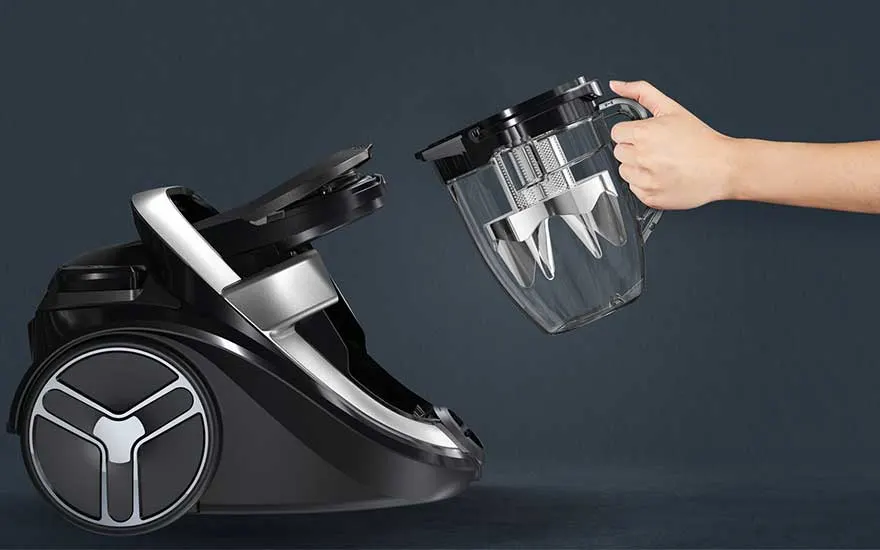
A hand easily removes the collection bin from a modern cyclonic vacuum cleaner, ready to be emptied.

Dust collection and contact-free emptying

Allergies can quickly worsen if you come into contact with dust while emptying the vacuum. That’s why it’s best to choose a model with a system that allows you to empty the container easily and hygienically. For bagless vacuums, a dust container that can be emptied directly into the bin without releasing dust is ideal. A locking lid, self-sealing bag, or container with a bottom flap and low drop height helps prevent exposure to dust clouds.

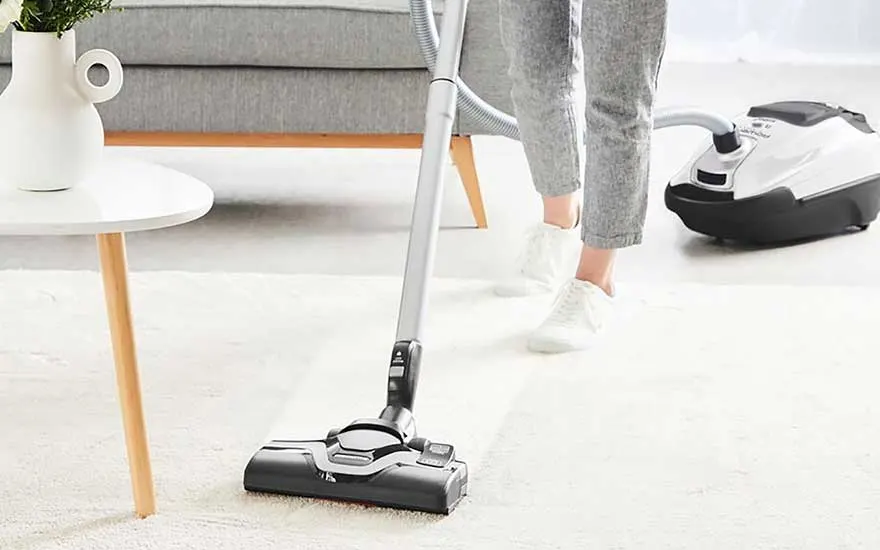
A person vacuums a white carpet in a stylish room with a canister hoover, the floor looks fresh and clean.

Choose a bagged vacuum cleaner

Although bagless vacuum cleaners are popular, models with a dust bag are often better for people with allergies. The bag completely seals in dust and dirt, reducing the risk of contact with allergens when emptying. A well-sealed bag also prevents dust from entering the motor or airflow. When it’s full, you simply remove the bag and replace it with a new one.

Compare different vacuum cleaners
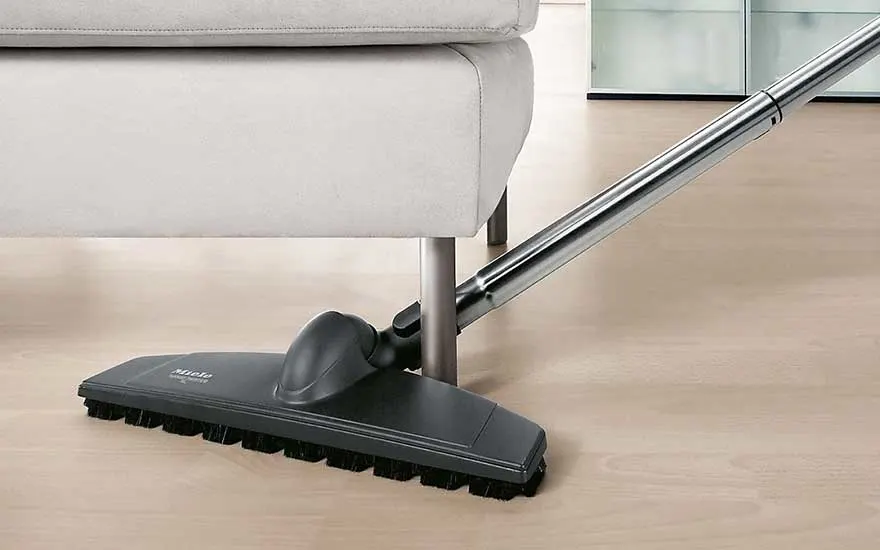
A vacuum cleaner easily cleans under a sofa with metal legs, on a wooden floor in a modern living room.

Use the right attachments

With the proper vacuum brushes and accessories, you can remove allergens more effectively from floors and fabrics. A turbo brush lifts deeply embedded dust from carpets, while a furniture or hard floor brush helps pick up hair and dust from furniture and hard surfaces. This allows you to clean every surface thoroughly without triggering your allergies. Vacuums designed specifically for pet hair often come with these attachments included.

Which allergies can a vacuum cleaner help reduce?

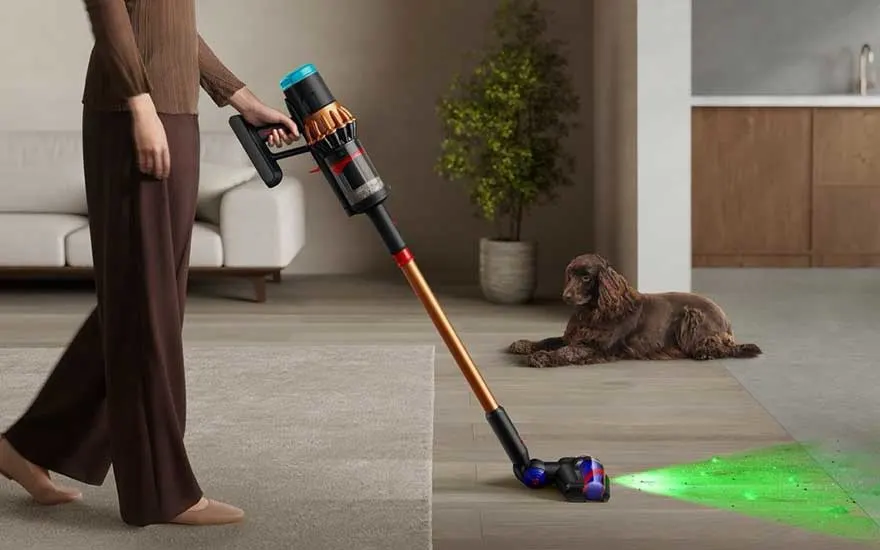
A woman is vacuuming a rug with a stick vacuum featuring a green laser, while a dog is lying on the wooden floor nearby.

A vacuum cleaner with a good filter and proper sealing can help reduce various allergens in your home. The main allergies a vacuum can help combat are:

  • Dust mites
  • Pollen
  • Pet dander and hair
  • Dust allergy
  • Mould allergy (mould spores that cling to dust and fabrics)

Our advice on choosing a vacuum cleaner for allergies

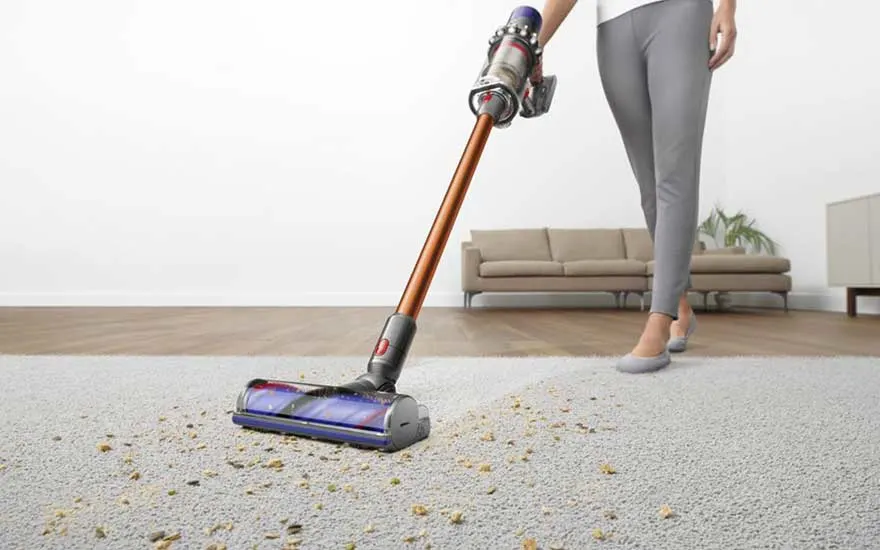
A woman vacuums a carpet in a bright living room, efficiently collecting visible dirt with a stick vacuum.

A good vacuum cleaner can make a big difference if you suffer from allergies. By choosing one with a strong HEPA filter (13 or 14), an airtight design, and a hygienic dust collection system, you can significantly reduce the spread of allergens in your home. Combine this with the right attachments and regular cleaning, and you’ll create a healthier living environment with cleaner air. That way, vacuuming isn’t just practical, it also helps keep your allergies under control.

Frequently asked questions

These articles might also be of interest to you