MM logo white 1
MM logo red
Image description is not available

Cleaning your oven: useful tips for cleaning your oven

Luuk28 MAY 2026
Hands in blue gloves clean a stainless steel oven with a pink cloth and a green spray bottle.

A clean oven isn’t only more pleasant to use, but also better for the lifespan of the appliance and the quality of your dishes. In this article, you’ll read why it’s important to clean your oven, how often it’s best to do so, and which methods you can use to get it fresh and clean again.

Why should you clean an oven?

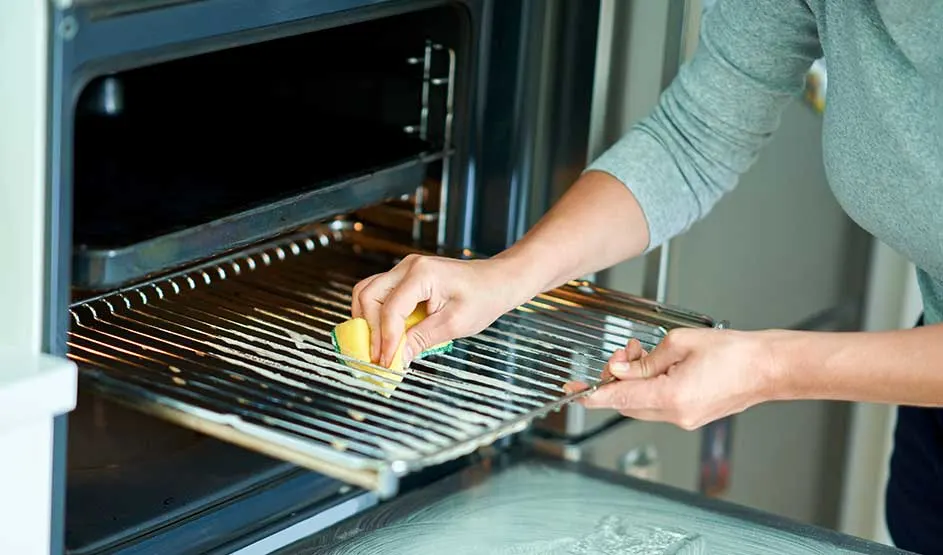
Someone cleans the oven rack with a sponge while the oven door stands open in a bright kitchen.

You should clean your oven regularly to extend the appliance’s lifespan, improve the quality of your dishes, and prevent baked-on and burnt-in dirt. Grease, crumbs, and food residue build up in the oven over time. If you don’t remove them in time, they can burn in and become increasingly difficult to get rid of. A clean oven isn’t just nicer to use; it also helps dishes cook more evenly and keeps their flavour better.
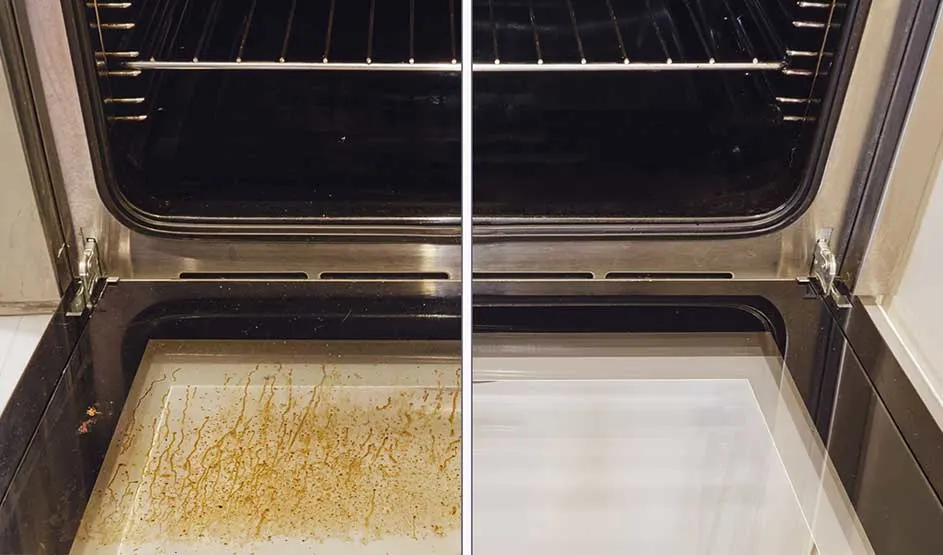
An open oven shows baked-on grime on the left and a clean base on the right, as a clear before-and-after comparison.

How often should you clean your oven?

  • If you use your oven daily, give it a quick clean every week and do a deep clean every 4 to 6 weeks.
  • If you use it once or twice a week, you can wipe it down briefly each week and do a deep clean every 2 to 3 months.

What are the ways to clean an oven?

You can clean your oven using these methods:

  • Baking soda.
  • Lemon.
  • Vinegar.
  • Oven cleaner.
  • The oven’s self-cleaning programme.
  • A dishwasher tablet.
  • Ammonia.

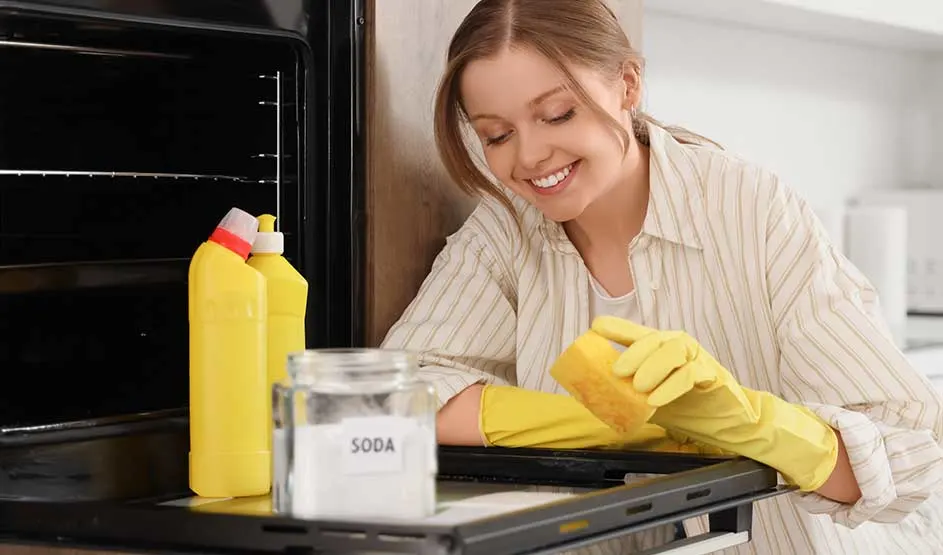
A smiling woman wearing yellow gloves cleans an oven, with soda and cleaning products beside her.

Cleaning an oven with baking soda

This is how to clean an oven with baking soda:

  1. In a small bowl, mix 2 parts baking soda with 1 part water to make a thick paste.
  2. Spread the paste over the walls and base of the oven.
  3. Leave the paste to work for a few hours or overnight.
  4. Then wipe the oven clean with a damp cloth.

Use this methodDo not use this method
For stubborn, burnt-on stains and baked-on grease.Not on aluminium parts, in self-cleaning ovens, or in gaps and ventilation openings.
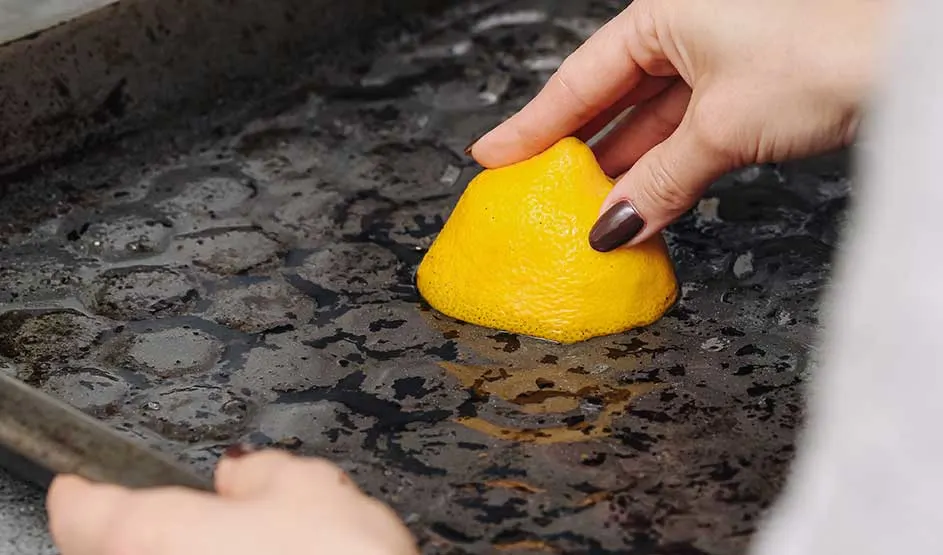
Someone scrubs a greasy baking tray with half a lemon, a natural way to loosen grime.

Cleaning an oven with lemon

You can also clean your oven with lemon. This is useful for loosening splatters or removing light dirt:

  1. Cut half a lemon into slices.
  2. Place the slices in an oven dish with a small layer of water.
  3. Squeeze the other half of the lemon over the dish.
  4. Put the dish in the oven for about 10 minutes at 200 degrees.
  5. The heat causes the lemon juice to evaporate, which helps loosen baked-on grease.
  6. Wipe the oven walls clean with a damp cloth for a fresh and shiny result.

Use this methodDo not use this method
For loosening grease splatters, neutralising smells, and light dirt.Not for heavily burnt-on dirt or black marks, as it only works on light soiling.
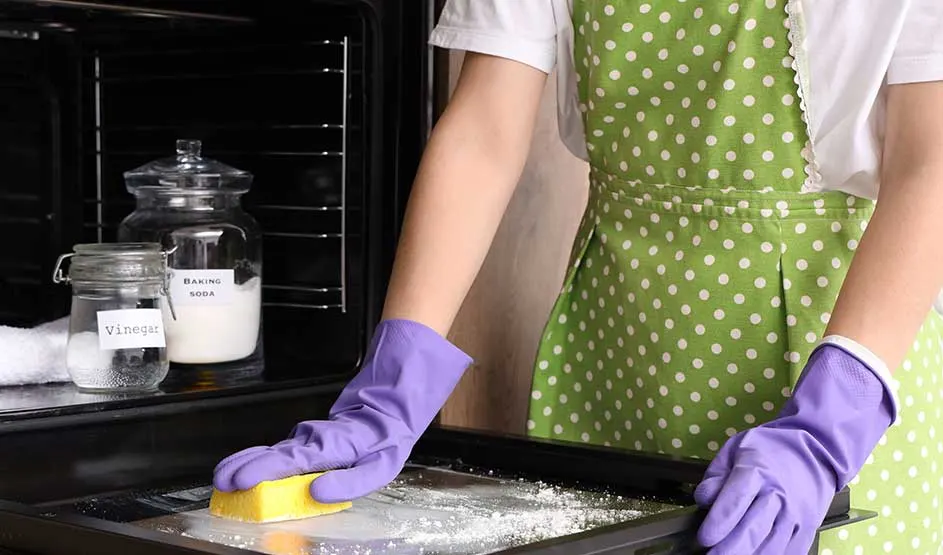
Someone in a green apron and purple gloves cleans an oven tray with bicarbonate of soda and a sponge.

Cleaning an oven with vinegar

Another natural cleaning product for your oven is vinegar. This is how to clean an oven with vinegar:

  1. Preheat your oven to 200 degrees and switch it off once it has reached 200 degrees.
  2. Place an oven dish with hot water and vinegar inside.
  3. Close the oven door properly and leave it for 10 minutes to a few hours.
  4. The heat makes the vinegar evaporate, which softens the grease in the oven.
  5. The grease will then be much easier to remove, for example with kitchen paper or a damp microfibre cloth.

Use this methodDo not use this method
For baked-on food residue.Not for heavy, thick layers of grease or on rubber seals, painted surfaces, and enamelled bases.
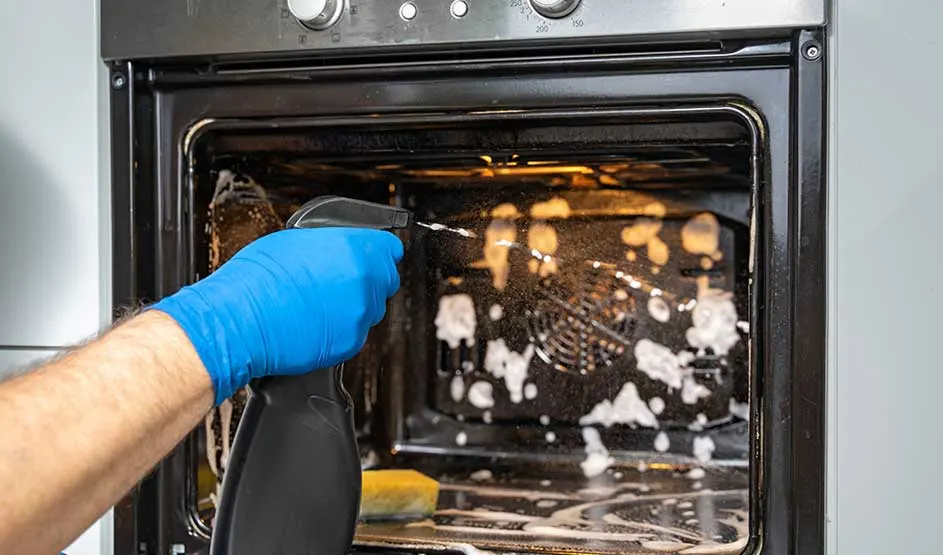
Someone wearing a blue glove sprays cleaner into an open oven filled with foam and grime.

Cleaning an oven with oven cleaner

Of course, you can also clean your oven easily with an oven cleaner. To clean your oven thoroughly, follow these steps:

  1. Make sure the oven has cooled down completely.
  2. Spray the inside of the oven, including the walls, base, inside of the oven door, as well as the racks and baking trays.
  3. Leave it to work. Follow the instructions on the packaging.
  4. Remove all the grease and dirt thoroughly with a damp microfibre cloth. If needed, go over it a few more times with a clean, wet cloth.
  5. Dry everything afterwards with a clean cloth or kitchen paper.

Use this methodDo not use this method
For black, baked-on spots on the base and walls of the oven, as well as on racks and baking trays.Not on catalytic walls. You can recognise catalytic walls by their rough surface texture.
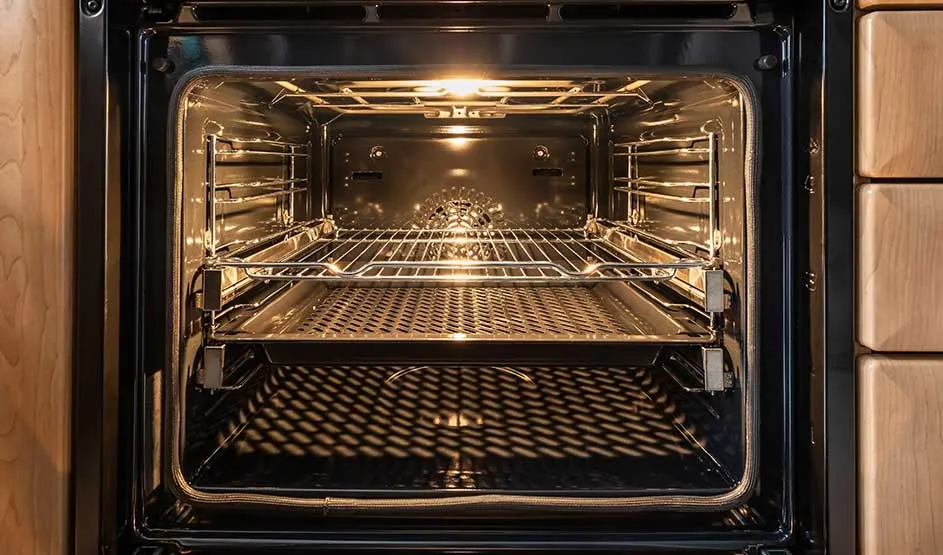
A clean, empty oven with shining racks and the light on stands open in a wooden kitchen unit.

Cleaning an oven with its self-cleaning programme

Some ovens have a self-cleaning programme. Depending on the type of oven, this cleaning cycle works through pyrolytic [Sv1] or hydrolytic cleaning. This is how to use a self-cleaning oven:

  1. Remove all loose parts, such as racks and baking trays.
  2. Wipe away loose food residue with a cloth.
  3. Start the programme.
  4. Once it has finished, wipe away all the dirt with a damp cloth.

Use this methodDo not use this method
When your oven has a self-cleaning programme and in cases of heavy soiling.Not just before cooking and not for light dirt.
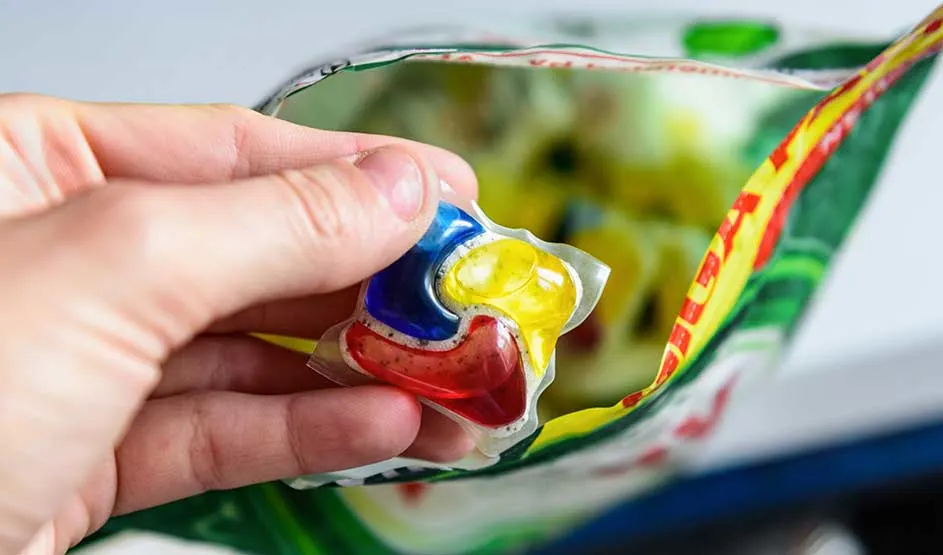
A hand holds a colourful dishwasher tablet above an opened bag, ready for use in the dishwasher.

Cleaning an oven with a dishwasher tablet

A dishwasher tablet isn’t just for your dishwasher. It contains a range of cleaning agents and soap that can also be useful for cleaning your oven:

  1. Put a dishwasher tablet in a heatproof bowl with water.
  2. Place the bowl in the oven and close the oven door.
  3. Turn the oven on to 200 degrees Celsius.
  4. Leave the bowl in the hot oven for about 10 minutes, so the water gently simmers.
  5. Then simply wipe away the loosened dirt with a damp cleaning cloth.

Use this methodDo not use this method
For stubborn, burnt-on dirt and baked-on grease.Not on catalytic or self-cleaning walls.
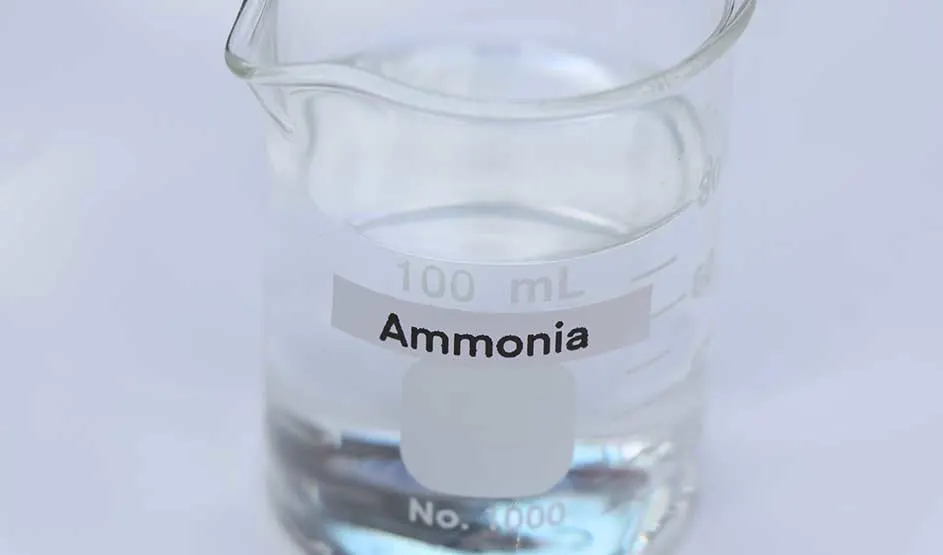
A glass measuring beaker holds a clear liquid, with the label ‘Ammonia’ clearly visible on the front.

Cleaning an oven with ammonia

You can also use ammonia to clean your oven. Ammonia is a strong, acidic product that removes stubborn grease very effectively. Do keep in mind that ammonia can damage a natural stone worktop, especially with built-in ovens.

  1. Make sure there’s good ventilation. Open a window or ventilate the room properly before you start.
  2. Place a pan or oven dish in the centre of the oven with a generous splash of ammonia and a little boiling hot water.
  3. Leave the pan or dish in the oven for at least 90 minutes or for the whole evening.
  4. Wipe away the loosened grease and dirt easily with a microfibre cloth.

Use this methodDo not use this method
For stubborn and burnt-on grease.Not in a switched-on or hot oven. Don’t mix ammonia with other chemical cleaning products, such as chlorine bleach. Don’t use it on aluminium or natural stone.

Tips to keep your oven clean

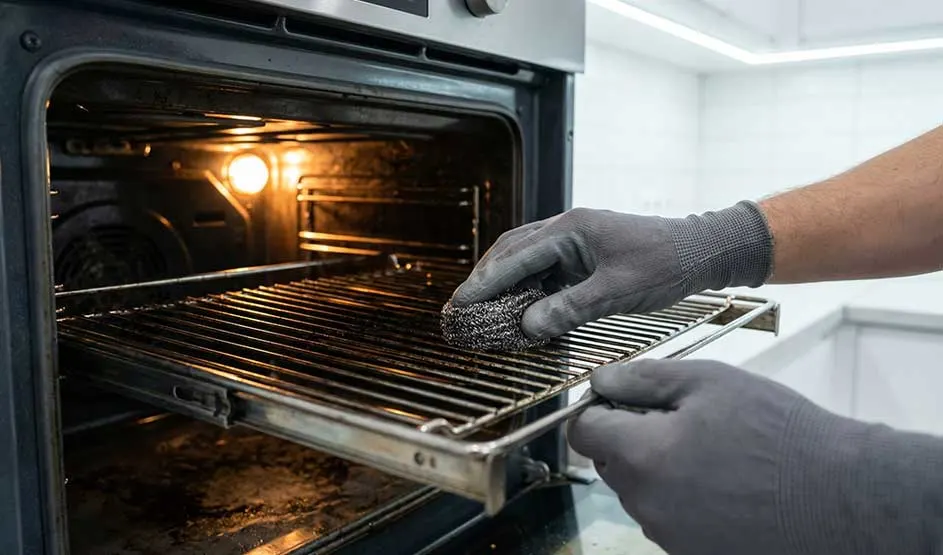
Someone wearing grey gloves cleans an oven rack with steel wool while the open oven is lit.

After a thorough clean, you’ll naturally want to keep your oven clean for as long as possible. Baked-on food residue and splattering grease can make your oven dirty quite quickly, but these tips will help keep it cleaner for longer:

  1. Use an oven dish. Put your food in an oven dish instead of placing it directly on the rack or baking tray.
  2. Catch crumbs and splatters. Always use baking paper, aluminium foil, or possibly a roasting bag or oven mat to catch crumbs and grease splatters.
  3. Remove residue straight away. After cooking, remove crumbs and other food residue immediately so they can’t bake on or burn in.

Our advice on cleaning your oven

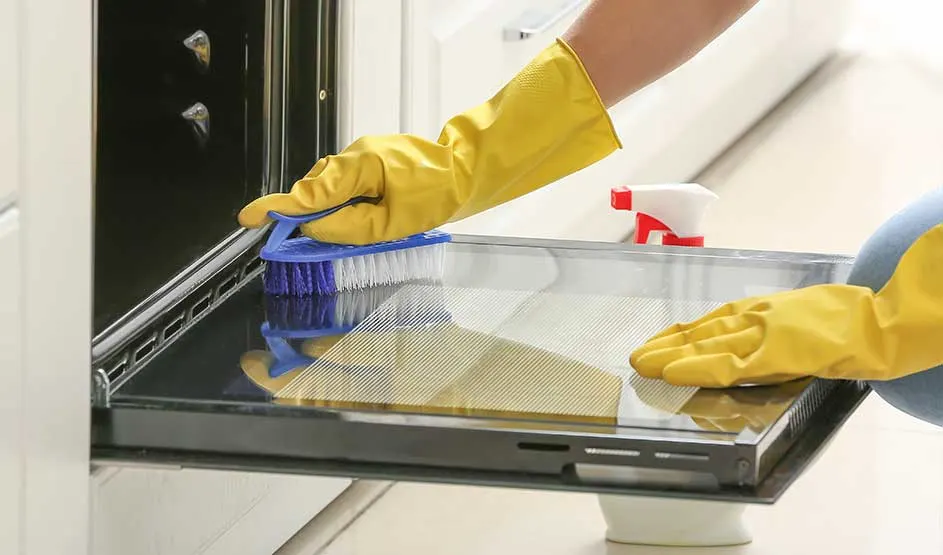
Someone wearing yellow gloves scrubs the oven door glass clean with a brush, with a cloth beside it.

Cleaning your oven is important to prevent burnt-on dirt, extend the appliance’s lifespan, and maintain the quality of your dishes. How often you should do it depends on how heavily you use the oven. With simple cleaning methods, such as baking soda, lemon, ammonia, or a dishwasher tablet, you can effectively loosen grease and baked-on residue. By also removing crumbs and splatters straight after each use, you’ll keep your oven cleaner for longer and make future maintenance much easier.

Which built-in oven should you choose?

FAQ

View similar articles