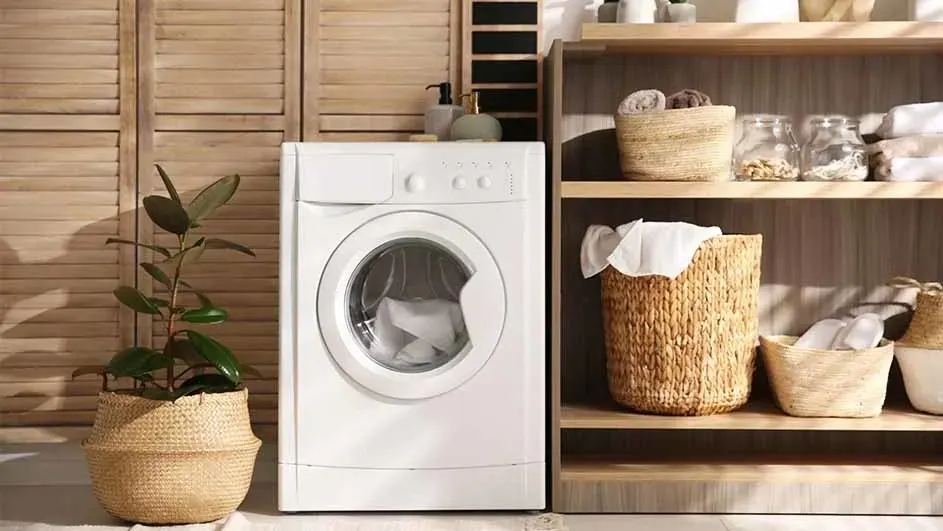
Several things can cause your washing machine to shake. From an uneven surface to a blocked pump filter, we’ve listed the most frequent issues. Often, a combination of these leads to instability.



Running a cycle and suddenly your machine starts shaking across the room? While some vibration is normal, it shouldn’t be excessive. A violently shaking washer isn’t just noisy – it can also damage your machine and your floor. Below, you’ll find common causes and easy solutions.
Several things can cause your washing machine to shake. From an uneven surface to a blocked pump filter, we’ve listed the most frequent issues. Often, a combination of these leads to instability.
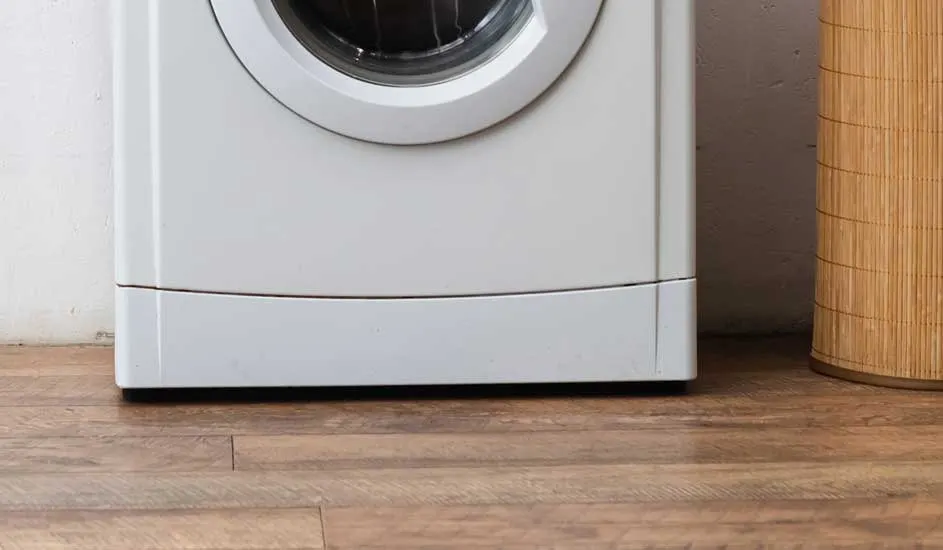
Sometimes, the issue isn’t with your washing machine, but the surface it sits on. Wooden or laminate flooring vibrates more than concrete, amplifying the shaking. Try placing your machine in a corner on a solid floor to reduce movement.
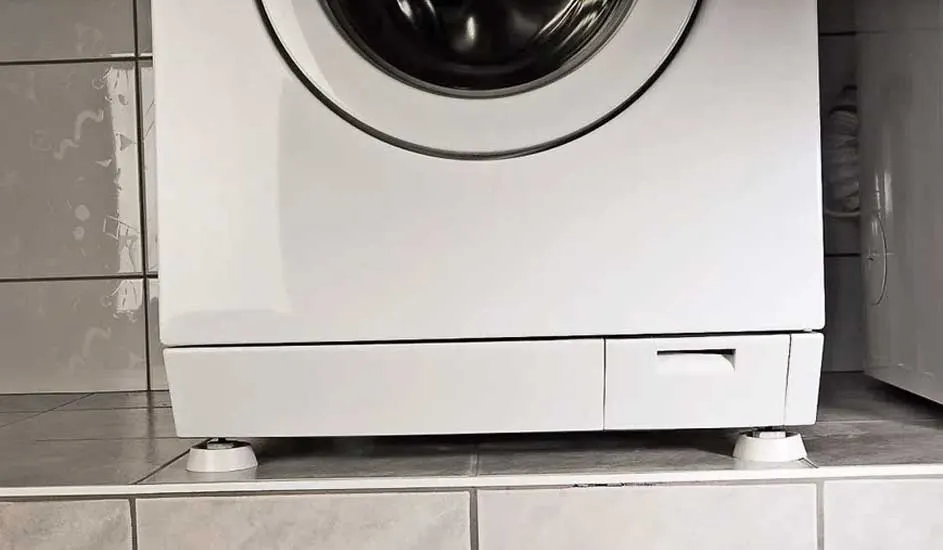
An unbalanced machine can’t spin smoothly. This leads to more vibration and inefficient washing. Use a spirit level and adjust the feet to make sure the washer sits completely straight, otherwise, this will lead to an unnecessarily increase in the consumption of your washing machine.
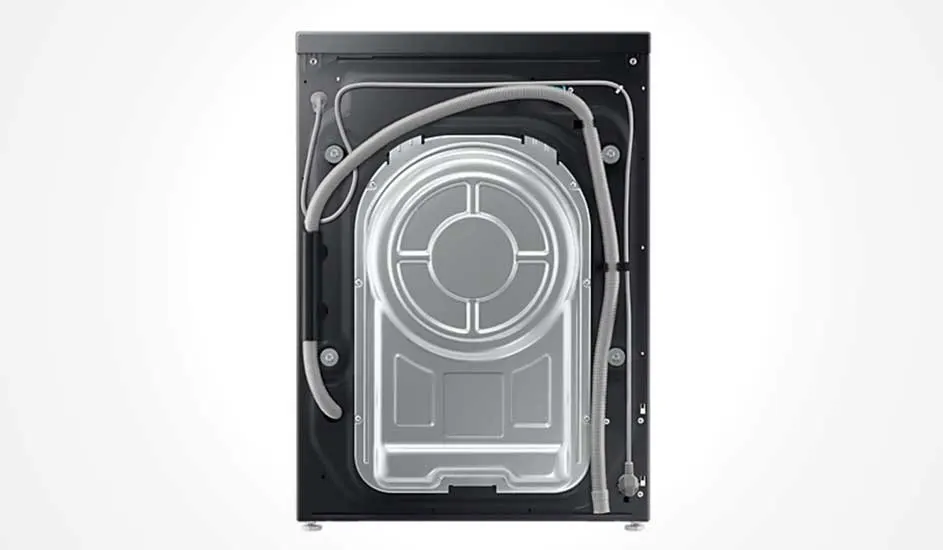
New washing machines come with 4 transport bolts to secure the drum during delivery. If they’re not removed before use, the drum can’t move properly, which causes heavy shaking. Check your manual for how to remove them and store the bolts safely for future use.

When all your laundry ends up on one side of the drum, your machine gets out of balance and starts to shake. This is common with heavy items like duvets or blankets. Don’t overload the drum and try to wash heavy items separately.
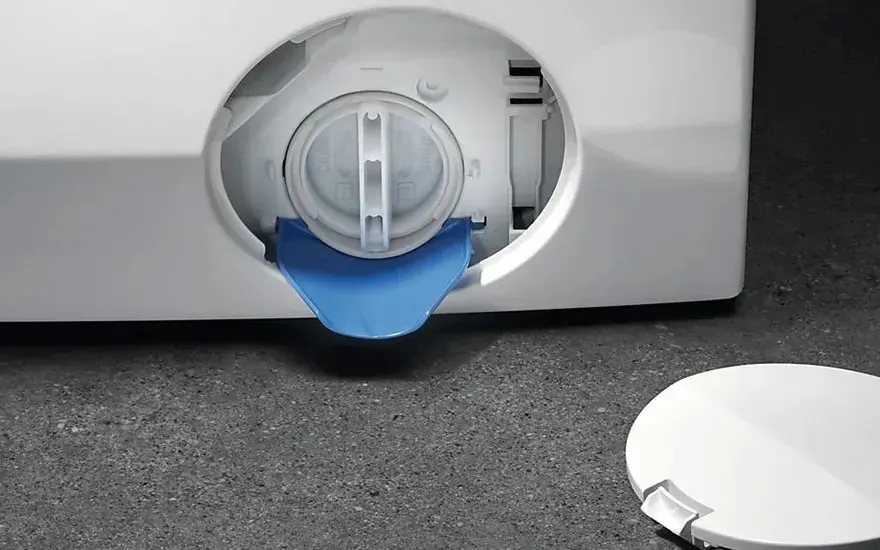
Hair, coins or small objects can clog the pump filter, causing the machine to vibrate. Clean the filter regularly – it’s usually behind a flap at the front bottom of the washer. Tip: include it in your monthly washing machine maintenance.
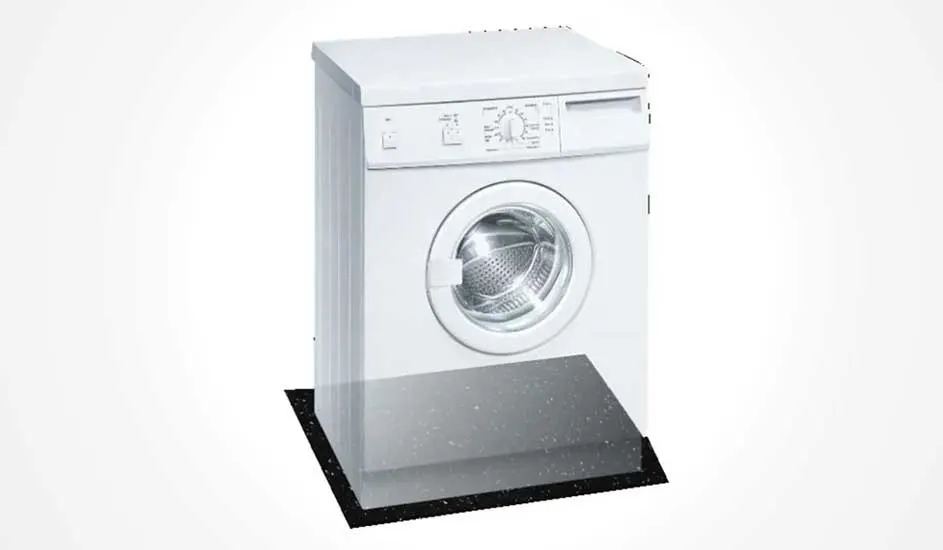
An anti-vibration mat is a simple, affordable fix. These rubber mats go underneath the washing machine and absorb a large part of the vibrations. This reduces noise, prevents slipping, and extends the machine’s lifespan.
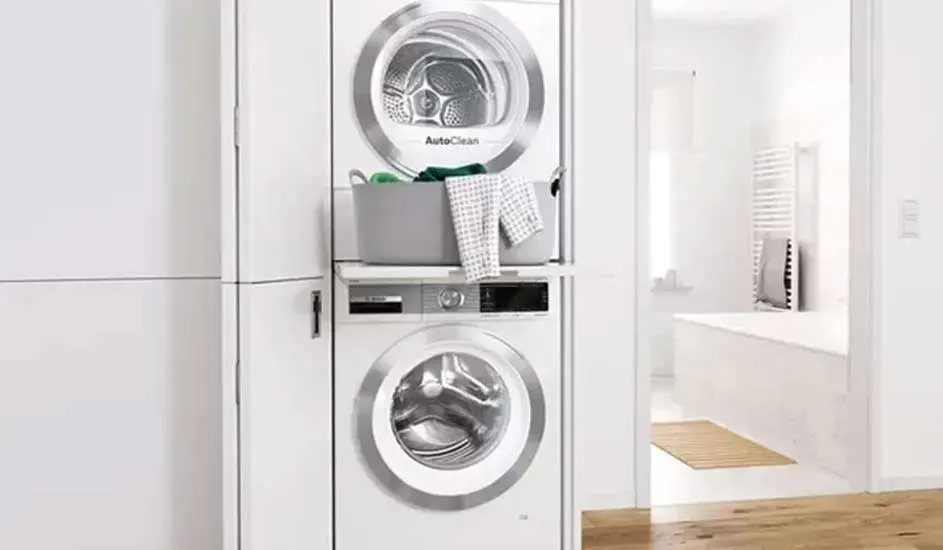
Have you placed your washing machine on your dryer, or the other way around? Stacking appliances can increase vibration. A dryer is heavier than a washing machine, so stacking without support is risky. Always use a stacking kit to securely join the two. Make sure both appliances are level to avoid damage or noise.
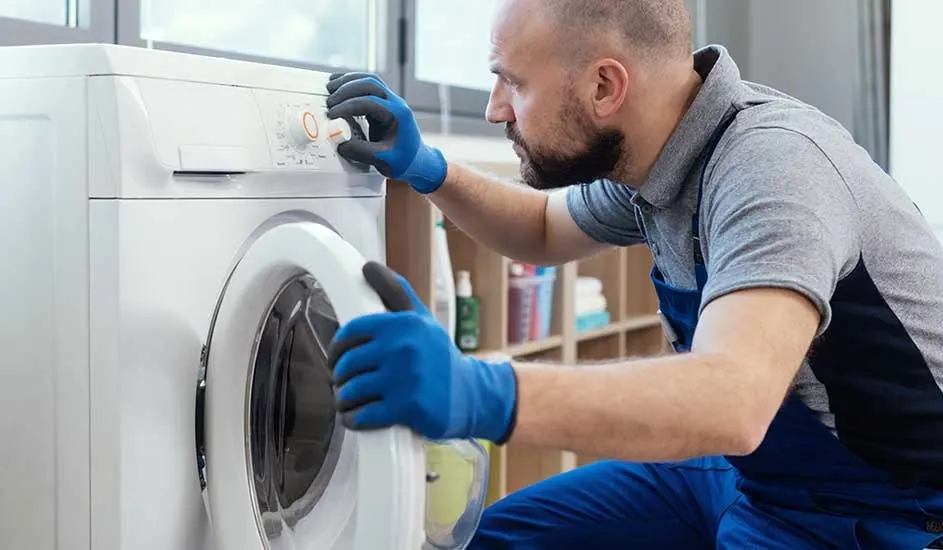
Tried everything and still dealing with shaking? You might be facing a technical fault, such as worn shock absorbers, a loose drum or motor issues. In that case, call in a professional. Continuing to use a badly vibrating washer can damage your machine, your clothes and even your flooring.
It’s normal for a washing machine to vibrate, especially during the spin cycle. But if it’s bouncing around the room, something’s wrong. Try one of the solutions above – from levelling the feet to adding a mat. If nothing works, bring in a repair expert to avoid bigger issues.