MM logo white 1
MM logo red
Image description is not available

The first phone for your child: discover the startphone

Roel17 NOVEMBER 2025
Five children sit on a windowsill, each absorbed in their own smartphone, stil en geconcentreerd op het scherm voor hen.

Unsure about the first phone for your child? In this article, we explain why a simple startphone is often a better choice than a smartphone. You’ll discover what a child-friendly phone actually is, which features matter, and how to help your child gradually and safely get used to having their own phone, without being pulled straight into social media and endless screen time. This way, you take the first step towards growing up smartphone-free.

What is a startphone?

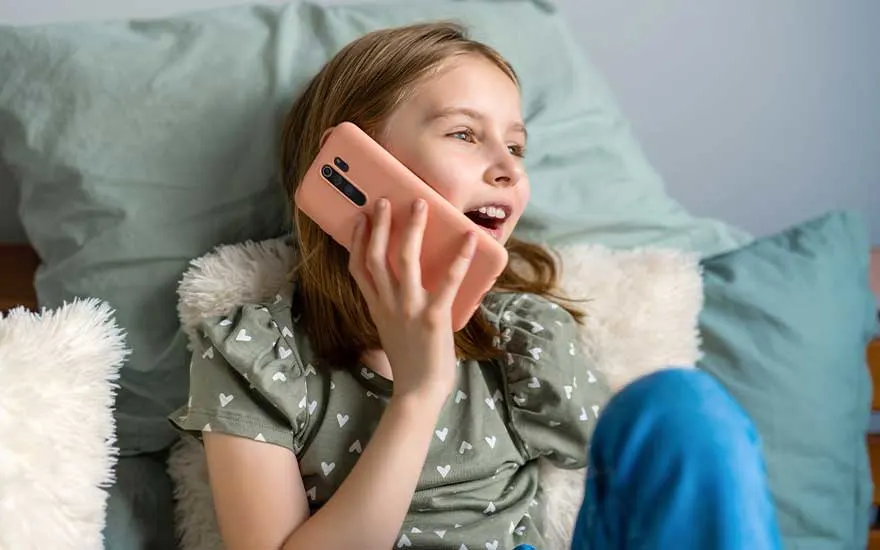
A girl relaxes among fluffy cushions on her bed, holding a large smartphone to her ear while chatting happily.

A startphone is a term invented by psychologist Thijs Launspach for an entry-level phone for children. It’s a simple (flip) phone without internet access or social media, from brands such as Nokia or Doro. The idea arose from the problem that children are using smartphones more often and at an increasingly younger age, which reduces their ability to concentrate, increases stress and social pressure, and exposes them to constant stimuli. A startphone still offers the advantage that a child is reachable (calling and texting, GPS for safety), but at the same time shields them from notifications, likes and temptations. In this way, children can gradually get used to having a phone, without immediately ending up in the online world and its negative effects, such as poorer sleep and a more negative self-image.
What are the benefits of a mobile phone for children?

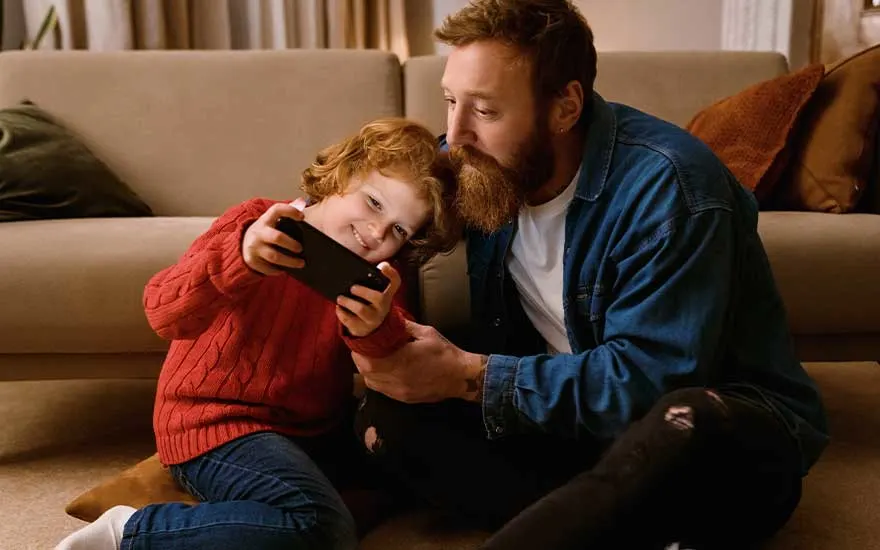
A child in a red jumper sits close to an adult on the floor as they happily watch something together on a smartphone screen.

A mobile phone for children has quite a few advantages:

  • No pressure from social media. With a simple phone without social media, your child doesn’t have to be busy all the time with likes, followers and perfect photos. This reduces feelings of insecurity caused by comparison and online peer pressure.
  • Better focus at school. Without constant notifications from apps and social media, there are fewer distractions. Children can concentrate better on lessons, homework and reading, because their attention isn’t constantly drawn back to their screen.
  • Less screen time. A startphone or simple phone is mainly used for calling and texting, not for endless scrolling or gaming. As a result, children automatically spend less time behind a screen and have more time left for playing, sports and offline hobbies.
  • Learning to handle technology safely. A simple phone is a safe first step: children learn how to make calls, send messages and make appointments, without being immediately exposed to all the risks of the internet, social media and apps.
  • Easier to keep an eye on what your child is doing. With a basic phone, it’s much clearer for parents what their child is doing on it: mostly calling and texting. This makes it easier to keep an eye on things, set boundaries and talk about behaviour, availability and privacy.

What are the key features of a child-friendly first phone?

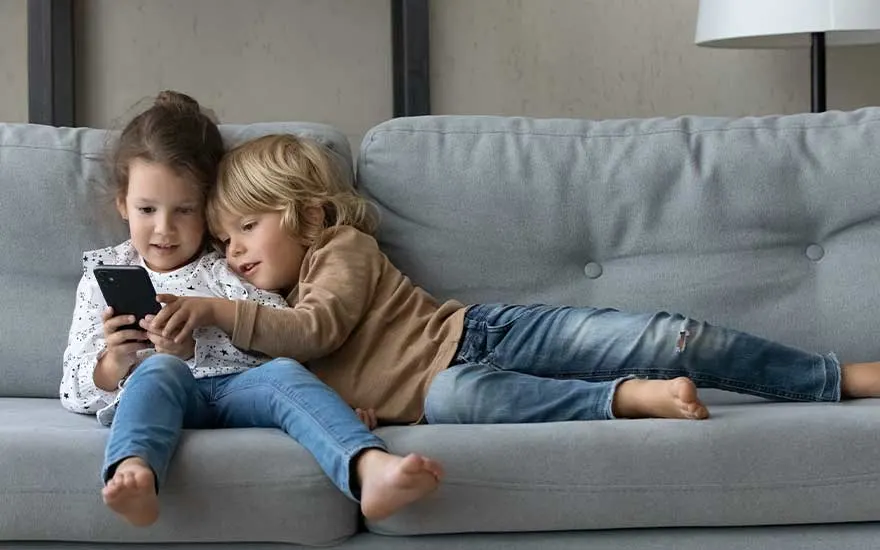
Two young children lie comfortably on a grey sofa, closely sharing a smartphone and glimlachend terwijl ze het scherm bekijken.

As mentioned earlier, a startphone is a simple (flip) phone. It should offer the following key features:

  • No browser or app store. Without an internet browser and app store, your child can’t just download apps or scroll freely across the entire internet. This reduces the risk of inappropriate content, gaming addiction and unsafe online situations.
  • GPS for location tracking. With built-in GPS, you can see your child’s location when needed. This provides extra safety when they go to school on their own, play outside or travelindependently. Another alternative is a kids’ smartwatch with built-in GPS.
  • SIM card without mobile data (Wi-Fi only). A SIM card without mobile data prevents your child from being online everywhere and all the time.
  • Sturdy design and long battery life. A robust casing and good battery are important, as children are more likely to drop their phone and often forget to charge it. A durable device that lasts all day is more reliable and safer in emergencies.

View smartwatches for children

Our advice for choosing your child’s first phone

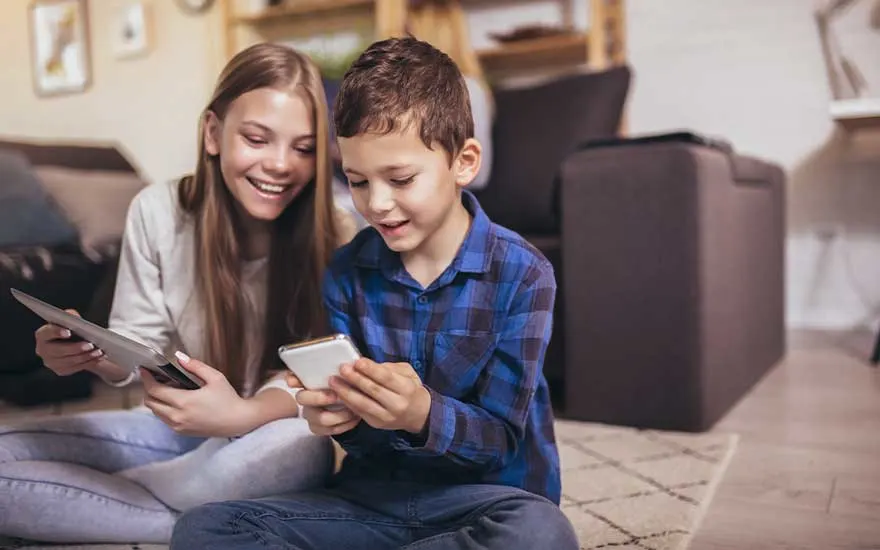
Two children sit relaxed on the floor, smiling as they play together on a smartphone and a tablet in the living room at home.

A startphone (a basic phone without internet access and social media) is a good first step towards your child growing up smartphone-free. This way, your child is reachable (calls and texts), but isn’t yet overwhelmed by triggers, notifications and online pressure from others. Choose a sturdy device with a long battery life, without a browser or app store – ideally with a SIM card without mobile data and, if desired, GPS location tracking. In this way, your child can safely and gradually learn how to use a phone, while you as a parent keep a better overview and control of its use.

Frequently asked questions

View similar articles