MM logo white 1
MM logo red
Image description is not available

How should you descale a coffee machine?

Luuk 2 FEBRUARY 2026
A hand operates an espresso machine with a white cup underneath, ready to brew coffee in a warm kitchen environment.

To ensure that your coffee machine lasts a long time, it’s important to descale the machine regularly. How often you need to do this depends on the type of coffee machine you have, the hardness of the water and how often you use the machine. Read more here about descaling your coffee machine.

Why should you descale a coffee machine?

Coffee maker dispensing coffee into a white cup, with a phone, watch, and basil in the background.

Limescale can cause your coffee machine to become clogged and damaged. The coffee machine may become slower and make more noise. It can also affect the taste of your coffee. When you descale a coffee machine regularly, the machine will last longer.

View all coffee machines

How often should you descale a coffee machine?

A person in a gray tank top is on a phone near a coffee maker in a kitchen with white cabinets and tiled backsplash.

How often you should descale a coffee machine depends on the type of machine you have and how often you use the coffee machine. On average, it’s sensible to descale your coffee machine once every 2 to 6 months. If the water hardness of your tap water is high, you need to descale your coffee machine more frequently. Do you use a water filter? Then you don’t need to descale your coffee machine as often. Some models indicate when they need to be descaled, with other machines you need to keep track of this yourself. In any case, check what the manufacturer says about how often you should descale your coffee machine, so you can be sure you are doing it correctly.

More information about coffee machines

How can you tell there is limescale?

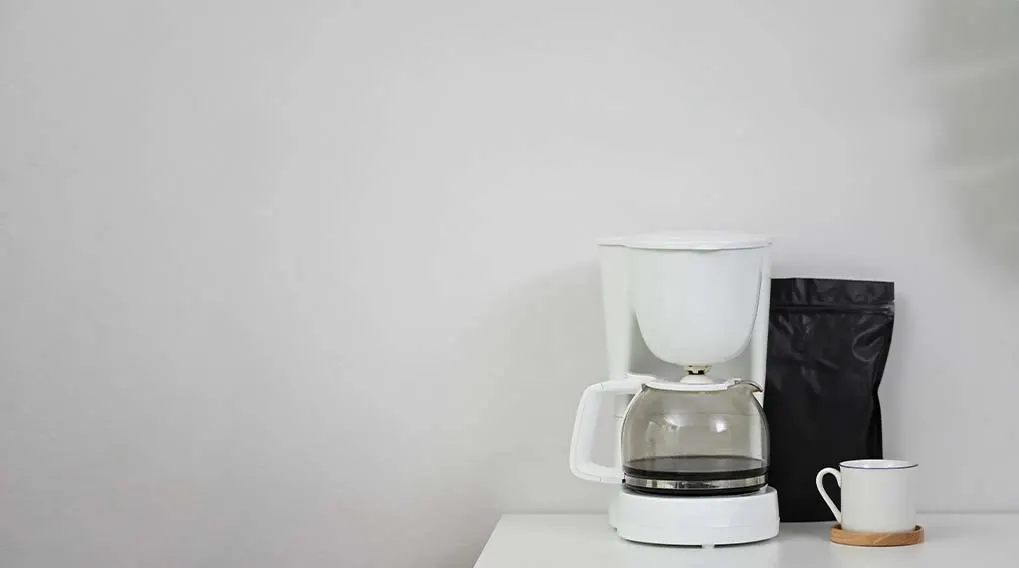
A white coffee maker sits beside a black bag and a mug on a wooden coaster against a plain white background.

Limescale is caused by magnesium and calcium salts in the water from your tap. In a coffee machine the water is heated, which causes these salts to promote limescale. The limescale then sticks to the walls. You can recognise limescale by a white or grey layer in the coffee machine. You may also notice it from the changed taste of the coffee or that it takes longer for the water to heat up. This can be accompanied by strange noises while making a cup of coffee. Avoid this by descaling your coffee machine regularly.

View all coffee accessories

How do you descale a coffee machine?

Espresso pours into a dark cup on a metal grate below a machine's wooden handle.

How you descale a coffee machine differs per machine. First consult the user manual to find out how your appliance can best be descaled. Usually, you first need to empty the coffee machine. Throw away any capsules, pods and filters with coffee. Also empty the water tank. Then fill the water tank with lukewarm water. Next, dissolve the descaler. Place a container where you would normally place your cup. Then switch on the machine and let the coffee machine run until it’s completely empty. Then rinse the machine by running clean water through it. This removes the last traces of descaler. Instead of descaler, you can also mix vinegar with water or use citric acid. In all cases, make sure you rinse the machine thoroughly so that no residue is left behind.

Cleaning a coffee machine

What else should you do, besides descaling, to ensure that your coffee machine stays clean and lasts a long time? Regularly flush the machine through with clean water. Remove capsules, pods or coffee filters after use. You can clean loose parts by hand. Think of a drip tray or the grinding discs of a piston machine. Do you use a water filter? Replace this filter every 3 months or clean the filter. Clean a milk container, steam wand or milk frother immediately after use. Finally, regularly wipe your machine with a damp cloth to prevent dust build-up.

These articles might be intersting for you