MM logo white 1
MM logo red
Image description is not available

Why choose an air purifier?

Thijs31 MARCH 2026
A young girl with pigtails reads a book while lying on a blue mat in a playroom with toys and an air purifier.

Clean air in your home is very important, especially if you suffer from allergies. An air purifier helps remove pollen, fine dust, smoke, house dust mites, pet allergens, bacteria and mould spores from the air, so your lungs are less irritated. On this page, you can read how an air purifier works and in which situations it can help.

How is an air purifier useful?

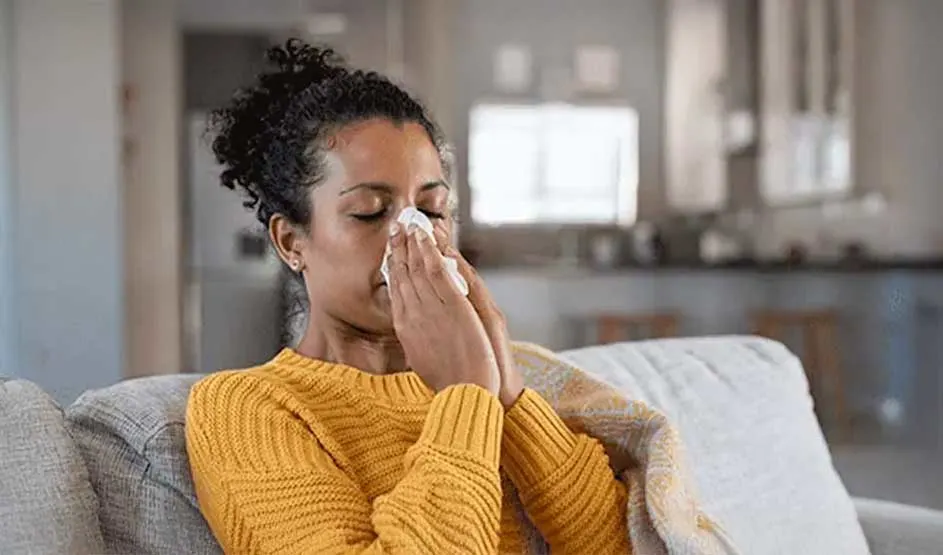
A person sits on a sofa in a cosy living room, eyes closed, gently touching their nose with a soft tissue held tussen beide handen.

An air purifier:

  • Reduces allergy symptoms, for example in cases of hay fever/pollen, house dust mites and pet allergens.
  • Relieves asthma symptoms by filtering irritating particles from the air.
  • Filters fine dust from traffic, industry, cooking, heating and smoking.
  • Removes or reduces smoke odour and other unpleasant smells (such as cigarette smoke and cooking odours) with a carbon filter.
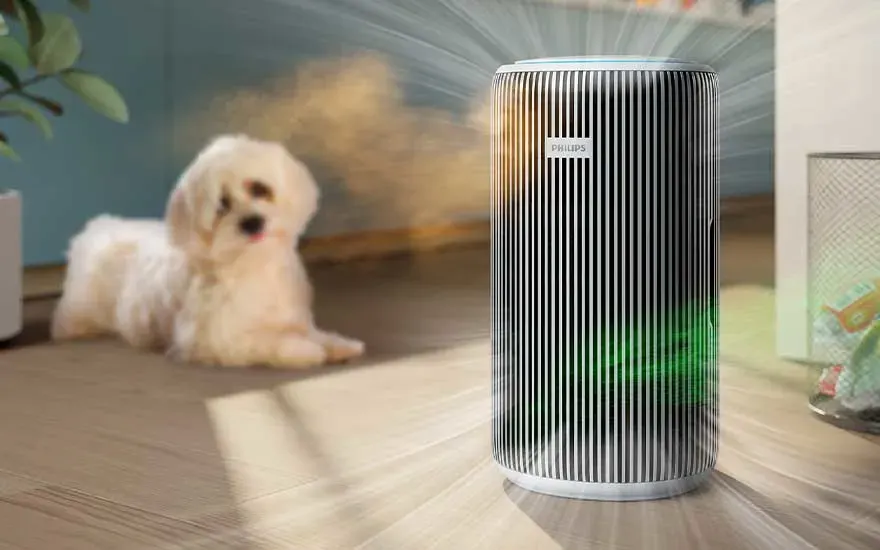
A tall Philips air purifier glows as it cleans the room’s air, with a small white dog resting softly on the floor in the blurred background.
  • Helps reduce the amount of bacteria, viruses and mould spores in the air with UV-C light.
  • Helps prevent mould growth in the home with a dehumidifying function.
  • Contributes to a generally healthier indoor climate and greater comfort.

Which air purifier should you choose?

An air purifier helps with different allergies

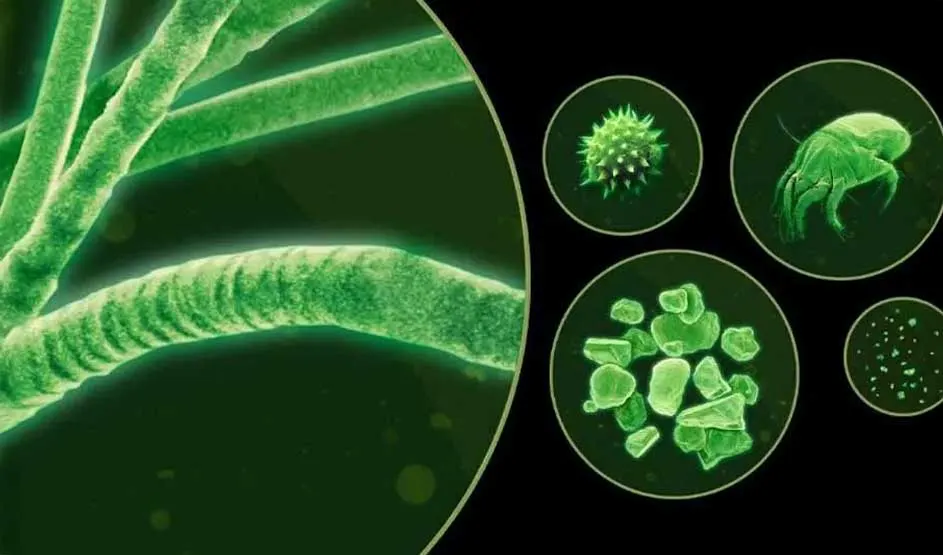
Green microscopic close-up shows fibres, pollen, mite and dust particles in circular frames on a black background, as if viewed through a microscope.

Allergies often cause symptoms such as sneezing, coughing, itchy eyes and a feeling of pressure or fullness in your head. Many of these symptoms are triggered by tiny particles in the air, such as pollen, house dust mites or pet hair. An air purifier removes these triggers from the air. Thanks to powerful filters, such as a HEPA filter and optionally an ioniser, the air purifier captures and neutralises allergens, so you can breathe more freely and comfortably at home.

How does an air purifier work?
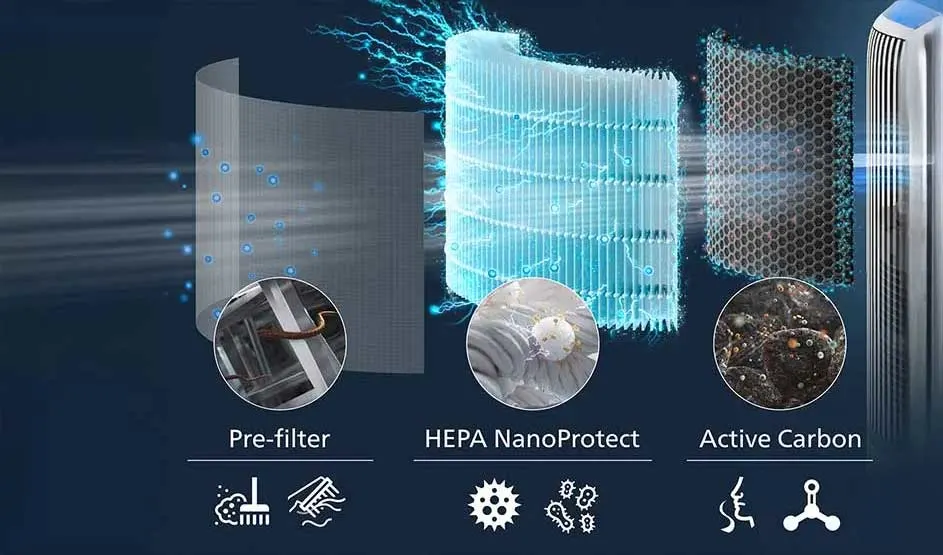
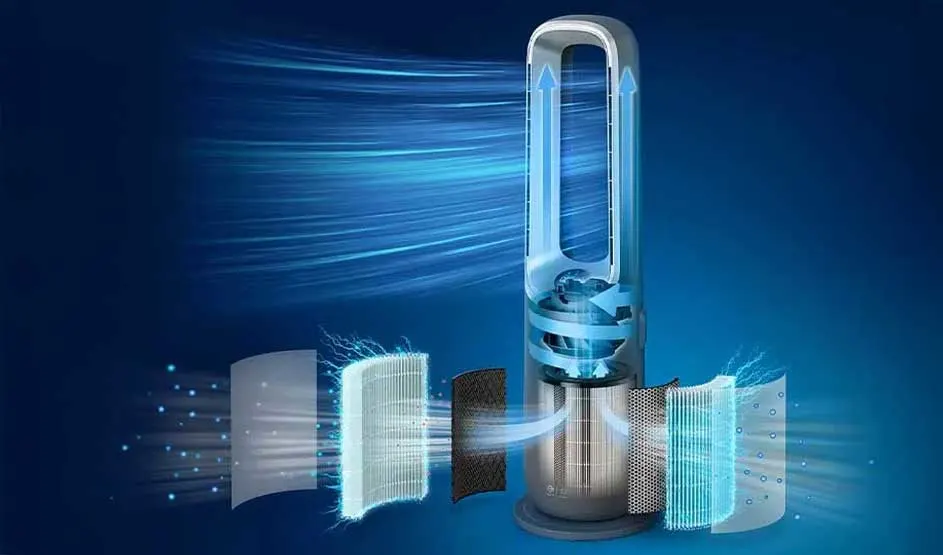
Air moves through three filter stages: grey pre-filter, glowing blue HEPA NanoProtect layer and a dark honeycomb panel filled with active carbon.

Hay fever and other pollen allergies

For many people, spring is the most beautiful season, but if you have hay fever it can feel more like survival. Pollen float everywhere in the air, making you keep coughing, sneezing and sniffling. Your eyes burn, your throat hurts and you feel flu‑like. These symptoms don’t stop as soon as you go indoors, because pollen are so small that they easily find their way into your home, especially when you open your windows and doors in nice weather.

An air purifier with an ioniser and a HEPA filter tackles these pollen actively. The HEPA filter traps the pollen, while the ioniser changes the electrical charge of airborne particles so that they cluster together and sink down. This reduces the amount of pollen in the air.

View all air purifiers for hay fever
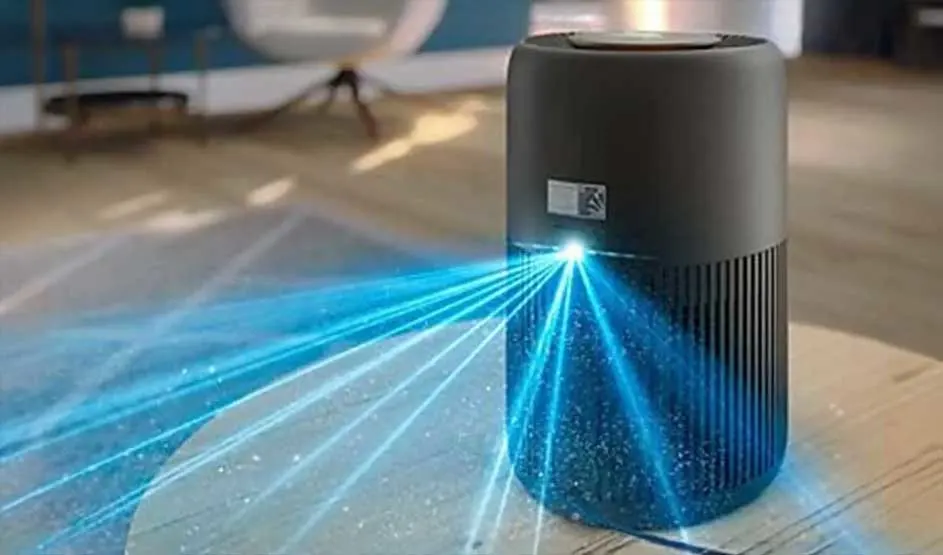
Black air purifier on a table projects bright blue beams across the floor, visually showing purified, cleaner room air spreading around.

House dust mite

If you’re allergic to house dust mites, you’ll mostly notice it at home: a blocked nose, itching, shortness of breath or coughing that just won’t stop. The culprits aren’t the mites themselves, but their faeces and other microscopic particles, such as skin flakes, that end up in the air.

An air purifier with a HEPA filter removes these irritating particles from the air. The device draws in air, filters out dust and house dust mite allergens, and blows clean air back into the room. As a result, you inhale fewer allergens and your symptoms decrease. If you choose an air purifier with an ioniser, you go one step further: the ionising function kills the house dust mites, which greatly reduces their droppings. With a combination of a HEPA filter and ioniser, you create a significantly cleaner living environment and often notice a clear reduction in your house dust mite allergy.

All kinds of HEPA filters and how they work
A relaxed dog lies on a rug against the feet of a person in grey joggers and slippers, while a gentle hand strokes its head on the floor.

Dog or cat allergies and other pet hair

You love your dog or cat, but if you have a pet allergy, they can also cause you a lot of misery: watery eyes, a blocked nose, itching, skin irritation or even shortness of breath. Cat allergens in particular often trigger strong reactions. It’s not the hair itself, but the proteins in your pet’s saliva, urine and skin flakes that cling to fur, furniture and linger in the air. Visitors can be affected too, even if your dog or cat happens to be out of the house at that moment.

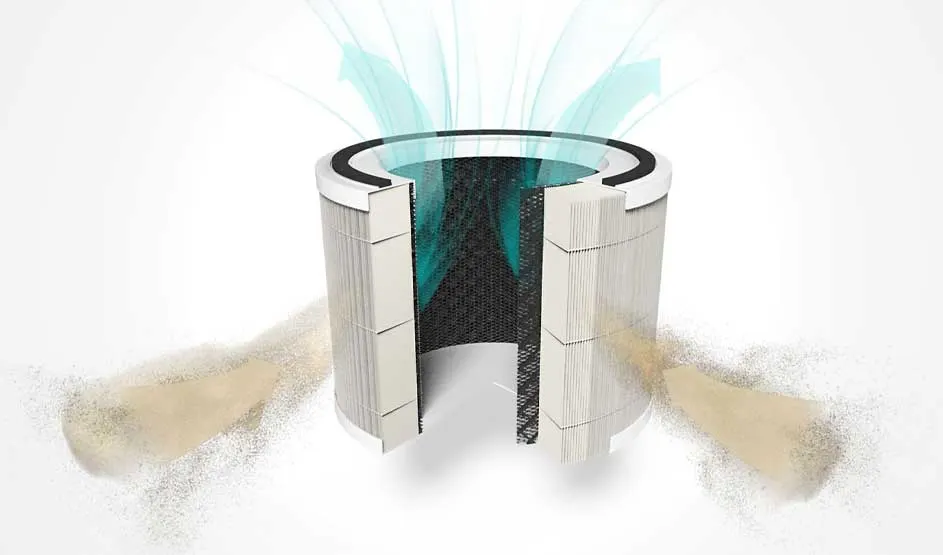
Circular air filter cross-section shows several layers pulling in dusty air and releasing cleaned blue air upwards from the centre.

An air purifier with a HEPA filter significantly reduces these allergens in your home. The device draws in air, the HEPA filter traps the tiny particles, including pet allergens, and blows clean air back into the room. This means dog and cat allergens are almost completely removed from the air, so you and your guests can cuddle your furry housemate again without tears in your eyes.

Reducing asthma symptoms with an air purifier

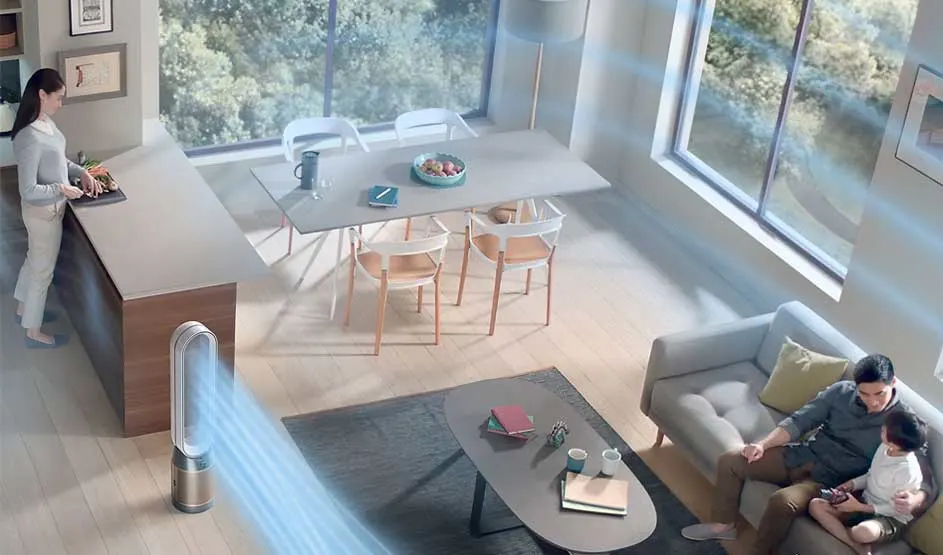
In a bright living room a tall air purifier blows cool air while one person cooks at the counter and a parent relaxes on the sofa with a child.

An air purifier helps reduce asthma symptoms by removing irritating particles from the air. The device filters fine dust, allergens such as pollen, house dust mites and pet allergens, as well as smoke and cooking fumes from the air. This reduces the amount of irritants that reach your lungs and makes the air feel less harsh and oppressive.

Filter fine dust and smoke from the air with an air purifier

Blue air flows through a slim tower air purifier, passing several filter layers at the base before being cleaned and powerfully blown out.

Air pollution isn’t just a problem for your airways outdoors: fine dust from traffic or industry easily blows into your home, and cooking or smoking also produce harmful particles. An air purifier tackles this pollution directly. The device draws in air, with a HEPA filter trapping the fine dust and a carbon filter binding cigarette smoke and other harmful gases and odours. If you opt for an air purifier with an ioniser, extra charged particles are released into the air that attach themselves to fine dust, making it heavier so it sinks to the floor. You can then remove it with a vacuum cleaner or mop, allowing you to breathe cleaner air.

Reducing the risk of bacteria and mould

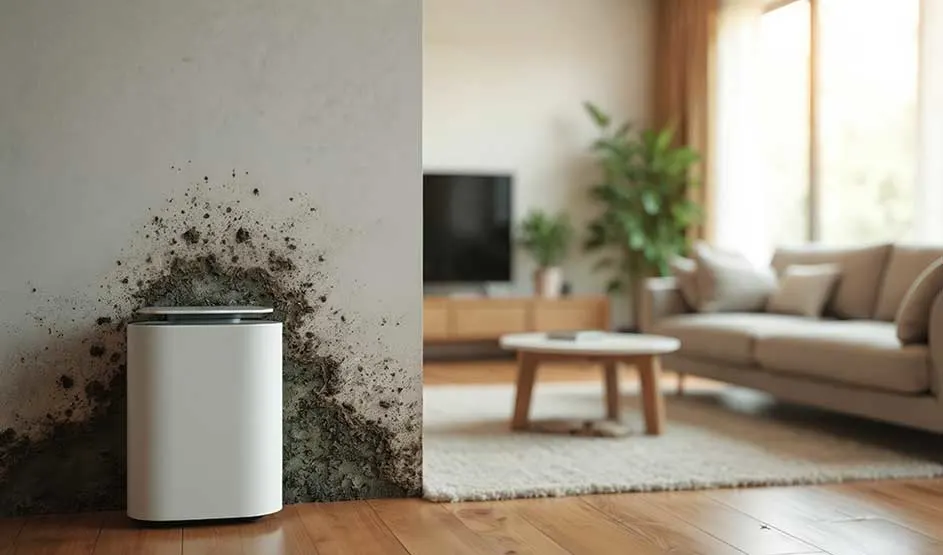
In a tidy living room a white air purifier stands by a wall with dark mould patches, while the rest of the space looks clean.

An air purifier with a dehumidifier, humidifier and UV‑C light reduces the risk of bacteria and mould settling in your home by capturing them while they are still in the air. The UV‑C light sterilises microscopic particles and specifically targets viruses, bacteria and mould, while the dehumidifying function prevents the air in your home from becoming too humid, making it harder for mould to grow.

Our advice on why an air purifier is useful at home

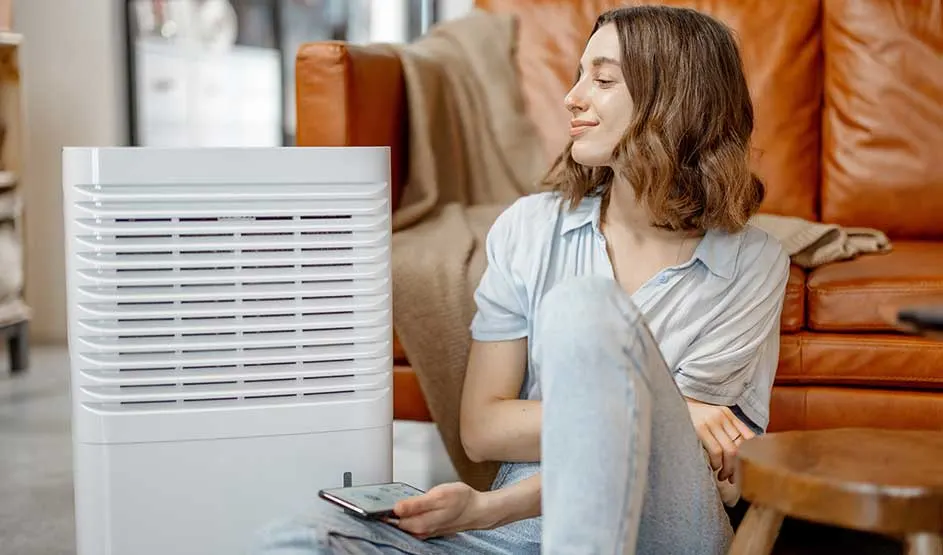
A woman sits relaxed on the floor by a brown leather sofa, smiling towards a white air purifier standing beside her while she holds a smartphone.

An air purifier provides noticeably cleaner air at home and fewer triggers for your lungs. The device filters pollen, house dust mites, pet allergens, fine dust and smoke particles from the air, reducing allergy and asthma symptoms. With a HEPA filter, carbon filter and optionally an ioniser or UV‑C light, the air purifier also captures and neutralises bacteria, mould spores and unpleasant odours. This lowers the risk of irritation to your airways and creates a healthier indoor climate, especially if you live on a busy road, suffer from hay fever or have pets.

FAQ

These articles may also be interesting for you